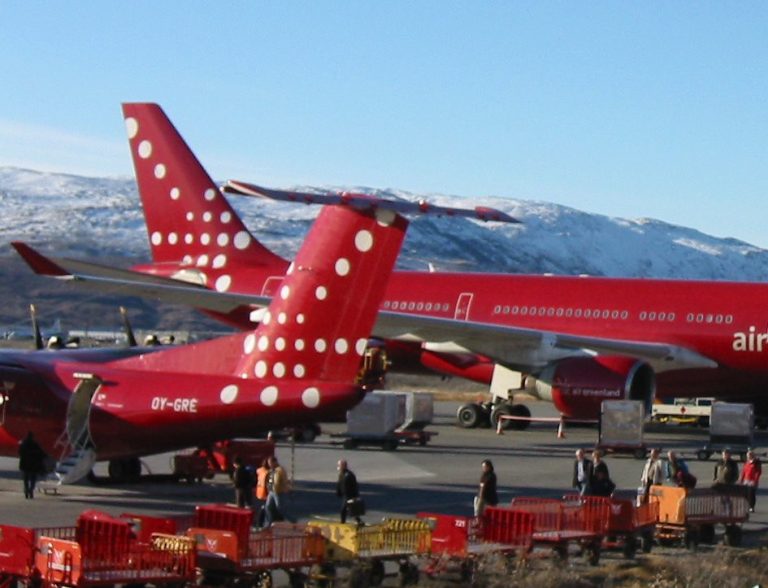



India national carriers are crucial for the country’s aviation growth. According to the Adani Airports CEO, having three national carriers could significantly enhance India’s position in global aviation.
The Current State of India’s Aviation Sector
The aviation sector in India is experiencing significant growth, yet it faces numerous challenges that could hinder its expansion. Currently, the market is dominated by a few major players, leading to concerns about competition and service quality.
According to the CEO of Adani Airports, the emergence of three national carriers could be vital for the country’s global aviation ambitions. This proposition suggests that having multiple strong airlines could enhance connectivity, improve customer service, and foster healthy competition.
- India’s aviation market is one of the fastest-growing globally.
- Challenges include inadequate infrastructure and high operational costs.
- There is a demand for improved services and more options for travelers.
As discussions around the future of India’s national carriers continue, stakeholders are evaluating whether this approach will bring the necessary growth and efficiency to the sector, ensuring that India remains competitive in the international aviation landscape.
Why Three National Carriers?
In recent discussions, industry leaders have emphasized the necessity of having three national carriers in India to enhance the country’s presence in global aviation. The rationale behind this proposal is multifaceted.
Firstly, diversification of services offered by multiple carriers could cater to a broader segment of travelers, from budget-conscious flyers to premium passengers seeking luxury experiences. This range of options can stimulate competition, ultimately benefiting consumers.
Secondly, having three national carriers can help in regional connectivity, ensuring that remote areas are not neglected in terms of air travel. This approach allows for better access to both domestic and international destinations.
Moreover, with India’s growing population and increasing middle-class income, the demand for air travel is set to rise. Therefore, establishing three national carriers could position India favorably on the global stage, making it a major player in the aviation industry.
- Enhances competition
- Improves regional connectivity
- Cater to diverse traveler needs
Benefits of Multiple National Airlines
The aviation landscape in India is evolving, and the introduction of multiple national carriers can offer several benefits. These carriers can enhance competition, leading to better services and lower fares for travelers. With more airlines in the market, consumers have increased choices, allowing them to select flights that best suit their needs.
Additionally, having multiple national airlines can facilitate greater connectivity across domestic and international routes. This improved connectivity can stimulate tourism, encourage business travel, and promote trade, ultimately contributing to economic growth.
Another advantage is the potential for job creation within the aviation sector. As these national carriers expand, they will require more employees, from pilots and cabin crew to ground staff and maintenance teams.
Furthermore, a diverse fleet of national carriers can help India enhance its global aviation presence, positioning the country as a significant player in the international market.
In summary, the establishment of multiple national carriers may be pivotal for India’s aviation sector growth.
Challenges Facing Indian Airlines
Despite the potential advantages, India national carriers face numerous challenges that could hinder their growth and success in the competitive aviation landscape. One significant issue is the infrastructure deficit at several airports across the country, which can lead to delays and congestion. Additionally, the high operational costs associated with maintaining multiple carriers may strain resources, especially during economic downturns.
Furthermore, the intense competition with low-cost airlines has forced traditional carriers to reevaluate their pricing strategies, often leading to reduced profitability. Regulatory hurdles also pose a challenge, as navigating the complex landscape of aviation regulations can slow down decision-making processes.
Moreover, the need for skilled personnel adds another layer of complexity; attracting and retaining talent is essential for maintaining service quality across all national airlines. Addressing these challenges will be crucial for the success of India’s national carriers and their role in fostering growth in the aviation sector.
Global Comparisons: National Carriers
In evaluating the effectiveness of India national carriers, it is essential to consider global comparisons. Various countries have successfully integrated multiple national airlines into their aviation strategies, demonstrating the potential benefits and pitfalls. For instance, countries like Germany and Australia operate several national carriers that cater to both domestic and international markets. This diversification often results in enhanced service levels, increased competition, and better connectivity.
However, the success of such models hinges on strategic management and government support. In contrast, countries with single carriers, like the United States, have focused on fostering private airlines, which has led to significant growth and innovation within the sector. India’s unique demographic and economic landscape presents both opportunities and challenges for its national carriers.
As stakeholders debate the future, it is crucial to analyze how India national carriers can align with global best practices while addressing local market demands.
Future of Aviation in India
The future of aviation in India hinges on the strategic development of its national carriers. With the rapid growth of the travel industry and increasing passenger demand, fostering a robust national airline presence becomes crucial. The India national carriers could play a significant role in enhancing connectivity and promoting tourism across the country.
Experts believe that having three national airlines could lead to improved competition, better service quality, and more choices for travelers. This diversification may also help the aviation sector adapt to changing market dynamics and mitigate risks associated with economic fluctuations.
Nonetheless, the future is not without challenges. Infrastructure development, regulatory frameworks, and sustainability concerns must be addressed to ensure the success of these national carriers. As the aviation landscape evolves, collaboration between government, private sectors, and industry stakeholders will be essential to realize the full potential of India’s aviation ambitions.
Adani’s Vision for Airports
Adani Airports has put forth a compelling vision for the future of aviation in India, advocating for the establishment of three national carriers to bolster the country’s position in global aviation. According to the CEO, this strategy aims to enhance connectivity, improve service quality, and facilitate increased passenger traffic. The rationale behind this proposal is rooted in the belief that a diverse set of national airlines can cater to various market segments and foster healthy competition.
By introducing multiple national carriers, India could potentially strengthen its foothold in international markets, attract foreign investments, and stimulate economic growth. The emphasis is not solely on expansion but also on ensuring that these airlines can operate efficiently while adhering to global standards. The Adani vision reflects a growing recognition of how strategic national carriers can play a pivotal role in the development of India’s aviation infrastructure, ultimately benefiting travelers and businesses alike.
Conclusion: The Path Forward for India
In conclusion, the future of India’s aviation sector hinges on the strategic development of its national carriers. As the global aviation landscape evolves, India national carriers must adapt to remain competitive and meet the growing demands of travelers. The proposed model of having three national airlines could provide a balanced approach, leveraging the strengths of each carrier while addressing capacity constraints and enhancing service quality.
However, achieving this vision will require overcoming significant challenges, including regulatory hurdles, infrastructure improvements, and ensuring financial sustainability. Stakeholders must collaborate to create a robust framework that supports these carriers in expanding their global reach.
Looking ahead, the path forward for India’s aviation industry involves embracing innovation, investing in technology, and prioritizing passenger experience. By doing so, India national carriers can position themselves as formidable players in the international market, contributing to the country’s economic growth and enhancing its global connectivity.
India national carriers play a crucial role in expanding the country’s aviation infrastructure and connectivity. As the demand for air travel continues to rise, India national carriers must adapt to meet the challenges of a competitive market.
By shankar s. via Openverse
Sources
Related stories
Jamaica resorts reopening: Best reasons to visit now · Patna flight cancellations: Worst travel disruptions for Diwali · Greenland international airport: A Smart Boost for Tourism