




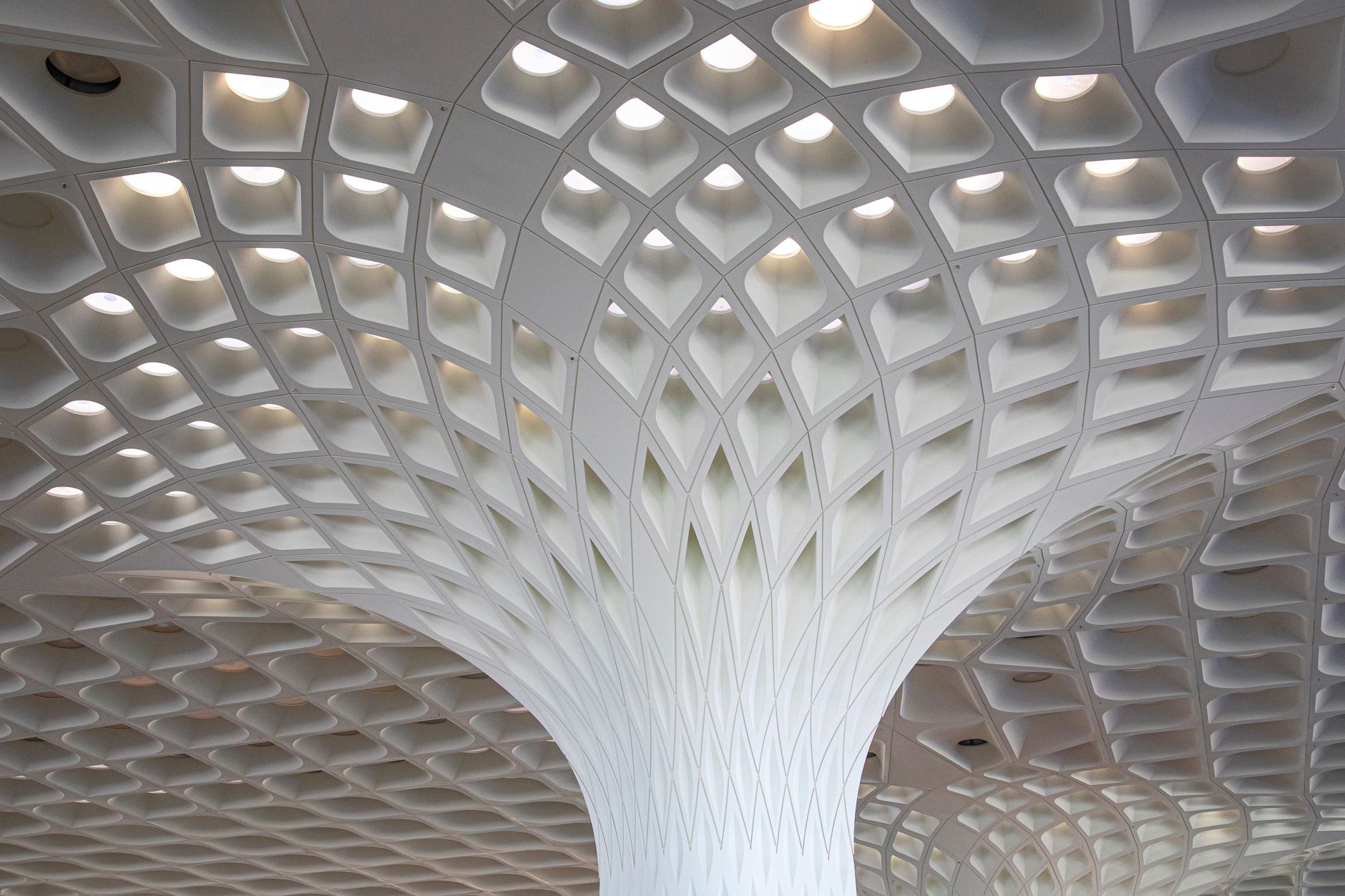
Mumbai Airport redevelopment is set to enhance T1 without disrupting flights. The phased approach proposed by Fadnavis ensures minimal inconvenience for travelers.
Overview of the Redevelopment Plan
The Mumbai Airport redevelopment is set to transform the current infrastructure while minimizing disruption to ongoing flight operations. The plan, proposed by Deputy Chief Minister Devendra Fadnavis, emphasizes a phased approach to ensure that passengers and airlines face the least amount of inconvenience during the construction period.
Key features of the redevelopment plan include:
- Phased Construction: The redevelopment will be carried out in multiple phases, allowing parts of the airport to remain operational while upgrades are made.
- State-of-the-Art Facilities: New terminals and enhanced amenities are part of the initiative, aimed at improving passenger experience.
- Environmental Considerations: The plan includes sustainable practices to minimize the ecological impact of the redevelopment.
- Collaboration with Airlines: Continuous collaboration with various airlines will help streamline operations and maintain flight schedules during the redevelopment process.
This comprehensive approach aims to ensure that the Mumbai Airport remains a key hub for travelers while enhancing its capacity and efficiency for the future.
Impact on Flight Operations
The redevelopment of Mumbai Airport is set to have a significant impact on flight operations, but the proposed smart plan aims to minimize disruptions. Authorities are keen on ensuring that travelers experience minimal inconvenience during the renovation phases.
Key measures include:
- Phased Construction: The redevelopment will be carried out in phases, focusing on one terminal at a time to ensure that at least one terminal remains operational.
- Night Operations: A portion of construction will occur during the night to limit disruption during peak travel hours.
- Real-time Updates: Passengers will receive timely updates regarding any changes in flight schedules or terminal operations through various communication channels.
- Collaboration with Airlines: Airlines will work closely with airport authorities to adjust schedules when necessary, providing flexibility to accommodate the redevelopment work.
As the Mumbai Airport redevelopment progresses, stakeholders are optimistic that these strategies will effectively balance construction needs with the demands of air travel.
Timeline for T1 Upgrades
The timeline for the upgrades of Mumbai Airport’s Terminal 1 (T1) has been carefully structured to ensure minimal disruption during the redevelopment process. The phased approach aims to maintain smooth flight operations while enhancing passenger experience.
According to the proposal, the first phase will commence in early 2024, focusing on improving the check-in areas and boarding gates. This phase is expected to be completed by mid-2025. Following this, the second phase will involve renovations in the baggage claim area and lounge facilities, projected to conclude by late 2026.
Throughout the redevelopment period, the authorities will implement temporary measures to facilitate passenger movement and ensure safety. Key features of the upgrades will include:
- Enhanced check-in kiosks for faster processing.
- Expanded waiting areas to accommodate increasing passenger traffic.
- Improved signage for better navigation.
The Mumbai Airport redevelopment initiative promises to significantly uplift T1 while prioritizing convenience and efficiency during the transition.
Benefits for Travelers
The ongoing Mumbai Airport redevelopment initiative is set to bring a host of benefits for travelers, ensuring a seamless experience amid major transformations. The phased approach aims to minimize disruptions, allowing passengers to continue their journeys with ease.
Some of the key advantages include:
- Enhanced Facilities: Travelers will enjoy upgraded amenities, including modern lounges, improved security screening areas, and more dining options.
- Increased Capacity: The redevelopment is expected to boost passenger capacity, reducing congestion during peak hours and facilitating smoother boarding processes.
- Advanced Technology: Implementation of smart technologies, such as automated check-in kiosks and real-time flight information displays, will streamline operations and improve overall efficiency.
- Eco-friendly Initiatives: Sustainability measures will be integrated into the design, making the airport greener and more energy-efficient, which aligns with global best practices.
Overall, travelers can look forward to an improved travel experience as the Mumbai Airport redevelopment progresses, with careful planning aimed at reducing any inconveniences during construction.
Government’s Commitment to Infrastructure
The government’s commitment to infrastructure development is evident in the newly proposed phased approach for the Mumbai Airport redevelopment. By prioritizing minimal disruption to flight operations, officials aim to ensure that passenger experience remains seamless throughout the upgrades.
Devendra Fadnavis, who is spearheading the initiative, emphasized the importance of a strategic plan that accommodates the growing demands of air travel while maintaining operational efficiency. This redevelopment plan for Mumbai Airport’s T1 is expected to enhance overall capacity without significant delays in service.
Moreover, the initiative will include:
- Phased construction to prevent major interruptions for travelers.
- Collaboration with airlines to schedule work during off-peak hours.
- Investment in cutting-edge technology to streamline the passenger experience.
As the government navigates this complex redevelopment, the focus remains on ensuring that Mumbai Airport continues to serve as a vital hub for both domestic and international flights.
The Mumbai Airport redevelopment aims to enhance passenger experience while ensuring minimal disruption during construction. With innovative strategies in place, the Mumbai Airport redevelopment is set to transform the airport into a world-class facility.
Photo by Frank van Dijk on Pexels