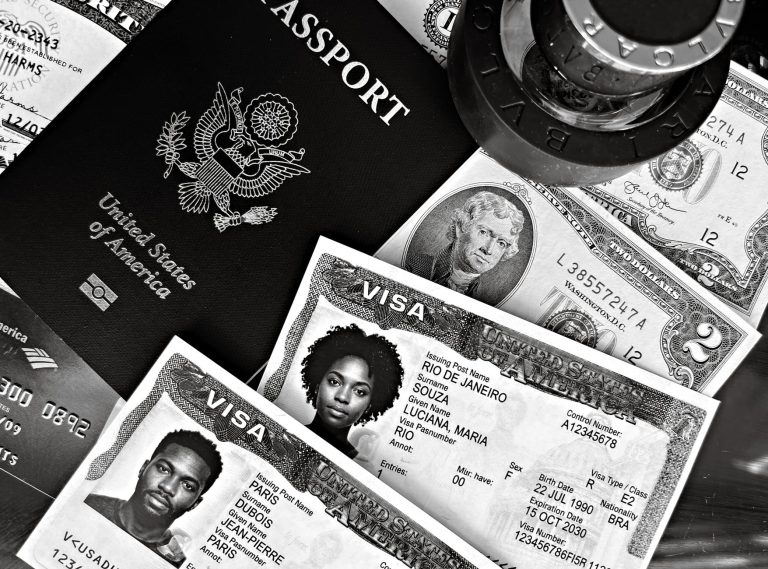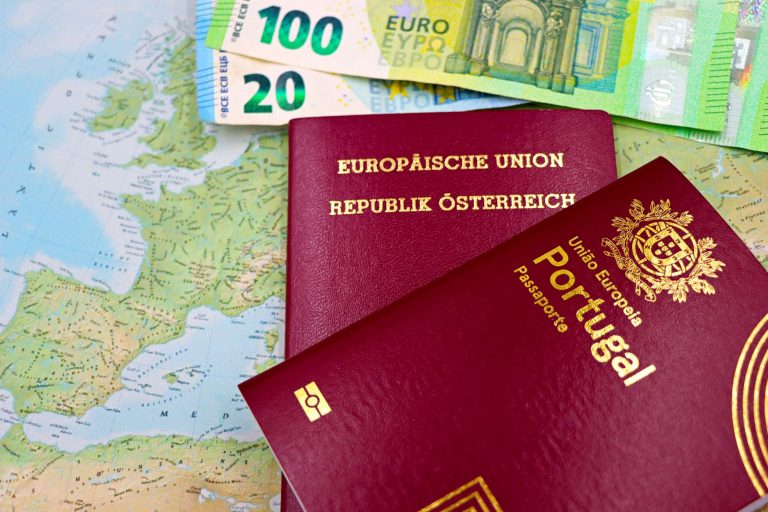

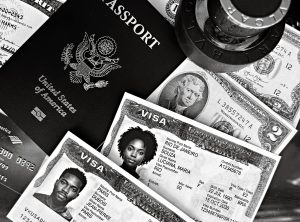

free e-visas for ASEAN tourists is a significant proposal by PM Modi aimed at boosting tourism and strengthening regional ties.
Overview of the Free e-visa Proposal
The recent announcement by Prime Minister Modi regarding the proposal for free e-visas for ASEAN tourists has sparked significant interest across the region. This initiative is part of a broader strategy aimed at enhancing tourism and fostering closer ties among ASEAN member countries.
By offering free e-visas, the Indian government hopes to attract a larger number of tourists from ASEAN nations, which could lead to substantial economic benefits. The proposal emphasizes the importance of cultural exchange and mutual understanding among the countries involved. Additionally, it aims to streamline the travel process, making it easier for visitors to explore India’s diverse offerings.
Some key points to consider about the proposal include:
- Economic Impact: Increased tourism could significantly boost local economies in various sectors, including hospitality and retail.
- Cultural Exchange: Enhanced interactions among ASEAN tourists and locals may lead to deeper cultural appreciation and ties.
- Regional Cooperation: The initiative aligns with ongoing efforts to strengthen regional collaboration and maritime cooperation.
While the proposal for free e-visas for ASEAN tourists presents promising opportunities, it also raises questions about implementation and potential challenges in managing increased visitor numbers.
Impact on ASEAN Tourism
The proposal to offer free e-visas for ASEAN tourists has the potential to significantly impact the tourism landscape in the region. With increased accessibility, it is anticipated that a surge in tourist arrivals will stimulate economic growth across various ASEAN nations.
First, the removal of visa fees is likely to attract more travelers from member states, encouraging them to explore the diverse cultural and natural attractions within the region. This influx of tourists could bolster local businesses, from hospitality to retail, contributing to job creation and increased revenue.
Second, the initiative aligns with broader efforts to enhance regional cooperation and connectivity. By simplifying travel regulations, ASEAN countries can foster stronger ties, promote cultural exchange, and encourage mutual understanding among member states.
Moreover, the economic benefits extend beyond immediate tourism revenue. Enhanced tourism can lead to improved infrastructure, better services, and increased investment in the sector, which can have long-lasting effects on the overall economy.
However, it is essential to consider the environmental and social impacts of increased tourism. Sustainable practices must be integrated into the growth strategy to ensure that the region’s natural and cultural heritage is preserved for future generations.
Maritime Cooperation Plan Explained
The recent proposal by Prime Minister Modi not only includes free e-visas for ASEAN tourists but also emphasizes a robust maritime cooperation plan aimed at enhancing regional ties. This initiative seeks to address various maritime challenges and promote collaborative development among ASEAN nations and India.
The maritime cooperation plan encompasses several key components:
- Joint Maritime Exercises: Regular naval drills are proposed to improve interoperability and enhance security in the region.
- Environmental Protection: Collaborative efforts to safeguard marine ecosystems and combat climate change effects on coastal areas.
- Trade Facilitation: Streamlining shipping routes and increasing connectivity to boost trade among ASEAN and Indian ports.
- Disaster Response: Establishing frameworks for joint responses to maritime disasters and humanitarian assistance.
By integrating free e-visas for ASEAN tourists with this maritime cooperation plan, the initiative aims to create a more interconnected and prosperous region. Analysts suggest that such a comprehensive strategy could not only bolster tourism but also establish stronger economic and cultural ties among member countries.
This multifaceted approach highlights India’s commitment to fostering regional cooperation, ensuring that both tourism and maritime issues are addressed cohesively.
Benefits for ASEAN Countries
The proposal for free e-visas for ASEAN tourists presents several benefits for member countries, fostering a stronger sense of unity and collaboration within the region. By removing visa fees, countries can expect an increase in tourist numbers, which can significantly boost local economies.
Among the key advantages are:
- Economic Growth: Increased tourism can lead to higher revenue for local businesses, from hotels to restaurants, creating jobs and stimulating economic development.
- Cultural Exchange: Free e-visas can encourage more interactions among diverse cultures, promoting understanding and appreciation of each other’s heritage.
- Regional Connectivity: Enhanced travel accessibility strengthens ties among ASEAN nations, making it easier for citizens to explore neighboring countries and fostering a sense of belonging.
- Global Competitiveness: By offering free e-visas, ASEAN countries can attract tourists who might otherwise choose destinations with fewer travel restrictions, positioning the region as an attractive travel hub.
Overall, the introduction of free e-visas for ASEAN tourists may not only enhance tourism but also deepen regional cooperation, paving the way for a more integrated and prosperous ASEAN community.
Challenges in Implementation
The proposal for free e-visas for ASEAN tourists, while promising, presents several challenges in implementation that must be addressed to ensure its success.
- Technical Infrastructure: Many ASEAN countries may lack the necessary technical infrastructure to implement an efficient e-visa system. Upgrading current systems will require significant investment and expertise.
- Security Concerns: The introduction of free e-visas could potentially lead to increased security risks, including the influx of individuals with malicious intent. Robust vetting processes must be established to mitigate this risk.
- Policy Alignment: Each ASEAN country has its own visa policies and regulations. Harmonizing these policies to facilitate the free e-visa initiative may prove to be a complex and time-consuming process.
- Public Awareness: Ensuring that potential tourists are aware of the free e-visa options will require a comprehensive marketing strategy. Without proper awareness campaigns, the initiative may not reach its target audience.
- Economic Impact: While the move aims to boost tourism, it may also strain local economies if not managed carefully. Balancing tourism growth with local resources will be crucial.
Overall, overcoming these challenges is essential for the successful implementation of free e-visas for ASEAN tourists.
Public Reaction to the Proposal
Public reaction to the proposal of free e-visas for ASEAN tourists has been mixed, with many expressing enthusiasm while others raise concerns. Supporters believe that this initiative could significantly boost tourism and strengthen ties between India and ASEAN nations. Tourism industry leaders have hailed the move, arguing that it will attract more visitors, leading to increased economic activity and job creation in the sector.
On social media, hashtags promoting the free e-visas have trended, with many users sharing plans for future travel. “This is a fantastic opportunity to explore new cultures and strengthen our bonds,” commented one user. However, some critics caution that the proposal could lead to challenges in managing increased tourist numbers, particularly in popular destinations. They argue that infrastructure may need significant improvements to accommodate the surge.
Furthermore, there are apprehensions regarding the impact on local communities, with some residents fearing that an influx of tourists could disrupt their way of life. Others emphasize the need for clear guidelines to ensure that the benefits of free e-visas for ASEAN tourists are felt equitably across the region.
Ultimately, the success of this proposal will depend on effective implementation and the ability to address the concerns raised by various stakeholders.
Future of Regional Ties
The proposal for free e-visas for ASEAN tourists has the potential to reshape the future of regional ties in Southeast Asia. By facilitating easier travel, member countries can enhance their diplomatic and economic relationships, fostering a sense of community among nations. This initiative aligns with ongoing efforts to strengthen cooperation in various sectors, including trade, security, and cultural exchange.
As nations become more interconnected, the free e-visa scheme could serve as a catalyst for deeper collaboration. Many experts believe that such measures will not only boost tourism but also encourage investment and partnerships across industries. The increased movement of people can lead to a sharing of ideas and innovations, ultimately benefiting the region as a whole.
However, the success of this initiative depends on the commitment of all ASEAN countries to work together. Factors such as infrastructure readiness, security concerns, and public health protocols must be addressed to ensure a smooth implementation. As public reaction continues to unfold, it is crucial for governments to engage with citizens and stakeholders to build support for the proposal.
In summary, while free e-visas for ASEAN tourists present numerous opportunities, the realization of a more integrated regional future will require careful planning and collaboration among member states.
Conclusion on e-visa Effectiveness
In conclusion, the proposal for free e-visas for ASEAN tourists presents a multifaceted opportunity for both India and its neighboring ASEAN nations. By simplifying travel and reducing costs for tourists, this initiative has the potential to significantly boost tourism and foster closer regional ties.
However, the effectiveness of this e-visa proposal will largely depend on the implementation strategies adopted by participating countries. Challenges such as infrastructure readiness, cybersecurity, and streamlined processing times must be addressed to ensure a seamless experience for travelers. Moreover, collaboration among ASEAN countries will be crucial in creating a cohesive system that supports the influx of visitors.
The public reaction has been largely positive, with many seeing this move as a step forward in enhancing people-to-people connections. Tourism stakeholders have expressed optimism about the increased footfall, while local businesses anticipate a boost in revenue. Yet, this optimism must be tempered with a realistic assessment of challenges that lie ahead.
Ultimately, if executed effectively, the free e-visas for ASEAN tourists could serve as a catalyst for stronger relationships and increased cooperation within the region. It remains to be seen whether this initiative will realize its full potential and how it will shape the future of regional ties.
Photo by Tima Miroshnichenko on Pexels
Sources
Related stories
Visa Overhaul Doubts: What’s the Real Impact for Farmers? · IndiGoStretch new routes: Best proven expansion with 36 routes · India Visa System: Simple Changes for a Better Experience