



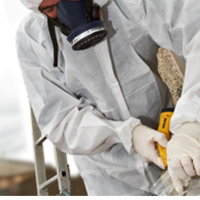
When purchasing or renovating a home, there is a long checklist of considerations, from structural soundness to the quality of fixtures. However, one critical aspect that often flies under the radar is asbestos testing. While it may seem like an afterthought to some, early asbestos testing during home inspections is not only vital for health and safety reasons but also financially and practically beneficial.
This article explores the numerous advantages of prioritizing asbestos testing early in the home inspection process.
Understanding the Significance of Asbestos Testing
Before diving into the benefits, it’s important to understand why asbestos testing matters. Used extensively in construction materials during the 20th century, asbestos was valued for its durability, resistance to heat, and insulation properties. However, its fibers, when disturbed, pose severe health risks, including respiratory diseases and cancers like mesothelioma.
For those looking to buy, sell, or renovate a home, early asbestos testing equips homeowners with the knowledge to manage and mitigate these risks effectively.
1. Protection of Health and Safety
One of the primary reasons for asbestos testing during home inspections is to protect the health of current or future occupants. Microscopic asbestos fibers, when airborne, are easily inhaled and can lodge in lung tissues. Prolonged exposure to these airborne fibers is dangerous and can lead to asbestos-related diseases.
Early testing identifies the presence of asbestos in high-risk areas such as insulation, roofing materials, and flooring products. With this information, homeowners can take proactive steps to address the issue, preventing unnecessary exposure to harmful fibers while ensuring the property remains a safe environment.
2. Facilitates Better Renovation Planning
Many homeowners enter the market with dreams of renovating a new space to suit their vision. Unfortunately, discovering asbestos mid-renovation can delay projects and inflate costs. Early asbestos testing streamlines planning for renovations, allowing for appropriate measures to be taken in areas where asbestos is detected.
Knowing about asbestos early ensures homeowners can work on containment or safe removal prior to starting renovations. Contractors also benefit from these precautions, as it assures compliance with legal safety standards and minimizes health risks to workers handling building materials.
3. Compliance with Legal Requirements
Countries worldwide maintain strict regulations on asbestos handling and safe disposal. Early testing demonstrates compliance with these laws, protecting homeowners from potential liabilities related to improperly managed asbestos.
Failing to address asbestos issues may result in legal penalties, especially if harmful fibers are disturbed and contaminate the surrounding environment. A preemptive testing approach eliminates this risk and ensures compliance, thereby granting homeowners peace of mind.
4. Enhances Property Value for Sellers
For homeowners planning to sell their property, early asbestos testing can play a crucial role in determining how buyers perceive the home’s value. A clear report on asbestos testing not only builds trust with potential buyers but also speeds up the sales process. Transparency around testing can also position the home as a property that prioritizes health and safety.
Additionally, properties with documented asbestos testing—and a subsequent removal or mitigation plan if required—are likely to fetch higher prices compared to those sold “as-is” with no clarity regarding potential risks.
5. Cost Savings in the Long Run
While setting up asbestos testing early in the home inspection process may seem like an added expense, it often saves homeowners significant costs down the line. Catching asbestos at the inspection stage eliminates the surprise costs associated with emergency testing or removal during projects like renovations.