

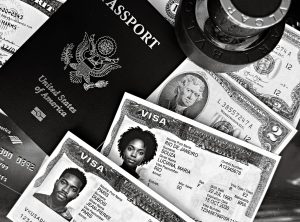
visa bans South Africa are making headlines as the US government takes a stand against race-based discrimination. This move signals a significant shift in diplomatic relations.
Understanding the Visa Bans
The recent visa bans targeting South African officials have raised significant concerns both domestically and internationally. These bans, implemented by the United States, aim to address allegations of race-based discrimination within the country. The decision underscores the growing frustration with the South African government’s policies, which some critics argue have marginalized certain groups.
Understanding the implications of these visa bans is crucial. Here are some key points:
- Targeted Officials: The visa bans specifically affect government officials believed to be involved in discriminatory practices.
- International Relations: This move may strain diplomatic relations between South Africa and the United States, potentially affecting trade and collaboration on various fronts.
- Public Reaction: The bans have elicited mixed reactions from the public, with some supporting the U.S. stance while others view it as an infringement on South Africa’s sovereignty.
- Travel Restrictions: Officials affected by the visa bans will face limitations in their ability to travel to the U.S., which may hinder their participation in international discussions and forums.
- Long-term Effects: The long-term implications of these visa bans could influence future policy decisions within South Africa regarding race relations and governance.
As the situation evolves, the focus remains on how these visa bans will impact South Africa’s political landscape and its officials.
Impact on South African Officials
The recent visa bans South Africa imposed by the United States have sent shockwaves through various levels of government and public service. Several South African officials have found themselves directly impacted, facing restrictions that hinder their ability to travel internationally. This has raised significant concerns regarding their roles and responsibilities within the nation.
According to reports, the restrictions are a direct response to allegations of race-based discrimination linked to certain officials. This has not only affected their diplomatic engagements but also their participation in international forums crucial for South Africa’s image and interests.
The implications of these bans can be summarized as follows:
- Diplomatic Isolation: Officials may struggle to engage with global counterparts, limiting collaboration on important issues such as trade and climate change.
- Economic Consequences: Limited travel could impact foreign investment opportunities, as potential investors may view the bans as a sign of instability.
- Public Perception: The bans may lead to a loss of confidence among citizens regarding the government’s ability to manage international relations.
- Human Rights Concerns: The actions by the US may provoke discussions on the need for reform within South Africa’s political landscape.
Overall, the visa bans South Africa faces highlight the ongoing struggles within the nation and the potential reforms needed to address systemic issues.
Reasons Behind the Discrimination Claims
The recent announcement of visa bans on South African officials by the United States has sparked significant controversy and concern regarding the underlying reasons for such actions. Critics argue that these bans are not merely punitive but serve to highlight deeper issues of governance and human rights in South Africa.
One prominent reason cited for these visa bans is the alleged involvement of certain officials in race-based discrimination. This claim points to a broader pattern of systemic inequality that has persisted in South Africa since the end of apartheid. Many believe that the U.S. is taking a stand against what it perceives as a failure to address these injustices effectively.
Additionally, there are concerns that the visa bans may be a response to specific incidents that have gained international attention. These incidents include:
- Reports of violence against minority communities.
- Government policies that disproportionately affect marginalized groups.
- Suppression of dissenting voices advocating for equality.
Moreover, the timing of the bans coincides with calls from various human rights organizations urging global leaders to hold accountable those who perpetuate discrimination. This context underscores the complexity of the situation, where visa bans in South Africa are seen as both a punitive measure and a call for broader societal change.
US Response to Race-Based Policies
The recent announcement of visa bans targeting South African officials has sparked significant debate regarding the United States’ response to what it describes as race-based policies. The U.S. government has explicitly stated that these measures aim to hold accountable those who perpetuate discrimination within South Africa. As part of this initiative, officials who are deemed complicit in enforcing or supporting such policies may find themselves unable to travel to the U.S.
The implications of these visa bans are profound. Not only do they impact the individuals directly involved, but they also send a broader message about the international community’s stance on human rights and equality. Many South African leaders have expressed concern that these actions could strain diplomatic relations between South Africa and the United States.
Furthermore, critics argue that the visa bans could inadvertently affect a wider range of citizens, as the political landscape in South Africa grapples with the consequences of these measures. Some have raised questions about whether such a response is effective or if it merely serves as a symbolic gesture.
As the situation unfolds, it remains to be seen how these visa bans will influence policies in South Africa and whether they will lead to meaningful change regarding race-based discrimination. The international community continues to monitor the response from South African officials as they navigate this challenging landscape.
International Reaction to Visa Bans
The announcement of visa bans on South African officials has drawn a range of international reactions, highlighting the global concern over the implications of such measures. Many nations have expressed support for the United States’ decision, viewing it as a necessary step towards addressing issues of race-based discrimination in South Africa. However, not all responses have been positive.
Countries in the African Union have reacted strongly, condemning the visa bans as an infringement on South Africa’s sovereignty. Some officials argue that these actions risk alienating a key player in the region, which could hinder diplomatic relations and collaborative efforts on various fronts, including trade and security.
- Support from Human Rights Advocates: Numerous human rights organizations have applauded the US for taking a stand against discrimination, emphasizing the importance of accountability for officials involved in such practices.
- Criticism from Regional Leaders: Several leaders within Africa have called for a reconsideration of the visa bans, suggesting that dialogue would be a more effective remedy to the underlying issues.
- Mixed Reactions from the Business Community: While some businesses support the bans as a move towards ethical governance, others fear potential economic repercussions.
As the discussion continues, the implications of the visa bans on South Africa remain at the forefront of international dialogue.
Future of US-South Africa Relations
The recent visa bans South Africa has imposed on certain officials signify a pivotal moment in US-South Africa relations. As both countries navigate this sensitive diplomatic landscape, the future remains uncertain. The implications of these bans extend beyond individual officials; they could reshape the broader bilateral relationship.
As the United States takes a firm stance against what it deems race-based discrimination, South African officials find themselves under increased scrutiny. This has led to a call for dialogue between the two nations, focusing on mutual understanding and respect for human rights.
Key factors that could influence the future of these relations include:
- Diplomatic Engagement: Increased communication may help address grievances and foster a collaborative spirit.
- Economic Ties: Trade agreements and investments could be leveraged to mitigate the impact of the visa bans South Africa faces.
- Human Rights Initiatives: Joint efforts to promote equality and human rights may pave the way for more favorable relations.
While the visa bans have created immediate challenges, they also present an opportunity for both nations to reassess their partnership. The path forward will depend heavily on each country’s willingness to engage in constructive dialogue and prioritize shared values.
Legal Implications of Visa Restrictions
The recent implementation of visa bans in South Africa has raised significant legal implications, particularly regarding the rights and responsibilities of those affected. The United States government’s decision to impose these restrictions on South African officials stems from accusations of race-based discrimination, leading to heightened scrutiny over the legal frameworks governing such actions.
Legal experts suggest that the enforcement of visa bans may set a precedent for addressing similar cases globally. The implications of these bans extend beyond mere travel restrictions; they may also affect diplomatic relations and international law considerations. Key aspects include:
- Due Process: Officials subjected to visa bans may argue that their right to due process has been violated, particularly if they were not given a chance to respond to the allegations.
- Impact on Diplomatic Agreements: The visa restrictions could strain existing treaties and partnerships, prompting a reevaluation of bilateral engagements.
- Legal Recourse: Those affected may seek legal redress, challenging the bans in international courts, thus opening a dialogue about the legality of such actions.
As the situation evolves, the legal ramifications of the visa bans in South Africa will likely remain a focal point in discussions around human rights and international law.
What This Means for Immigration Policy
The recent announcement of visa bans South Africa has raised significant questions regarding the future of immigration policy, particularly concerning how such measures may shape diplomatic relations and travel norms. With the US government taking a firm stance on alleged race-based discrimination, it is clear that these visa restrictions are not merely punitive but serve as a broader signal of disapproval of certain domestic policies.
These bans could lead to a re-evaluation of existing immigration frameworks, particularly for officials and representatives from South Africa. As the situation unfolds, several implications emerge for both nations:
- Increased Scrutiny: South African officials may face heightened scrutiny in future visa applications, impacting their ability to travel for diplomatic engagements.
- Repercussions on Bilateral Relations: The visa bans could strain US-South Africa relations, hindering cooperation on various fronts, including trade and security.
- Influence on Policy Reform: The bans may prompt South African lawmakers to reconsider existing policies to avoid further international backlash.
- Impact on Immigration Trends: These restrictions may lead to increased challenges for South African citizens seeking to travel to the US for education, work, or tourism.
Ultimately, the visa bans South Africa has imposed highlight the intricate interplay between domestic policies and international relations, paving the way for a potential shift in immigration policy dynamics.
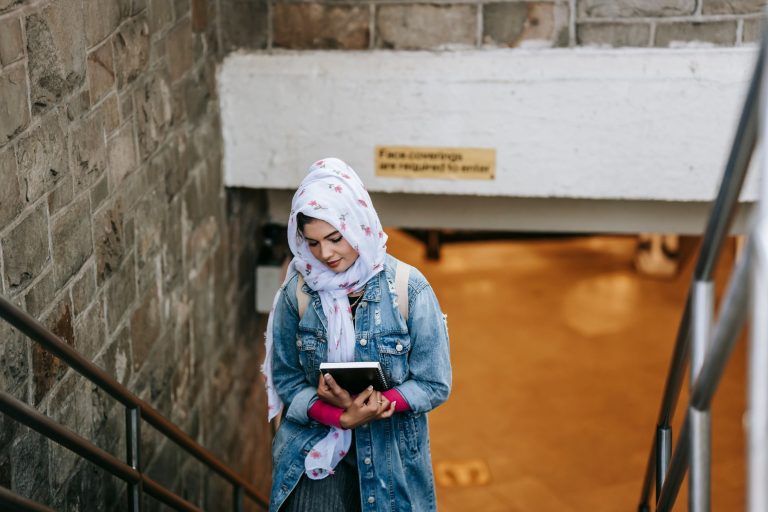
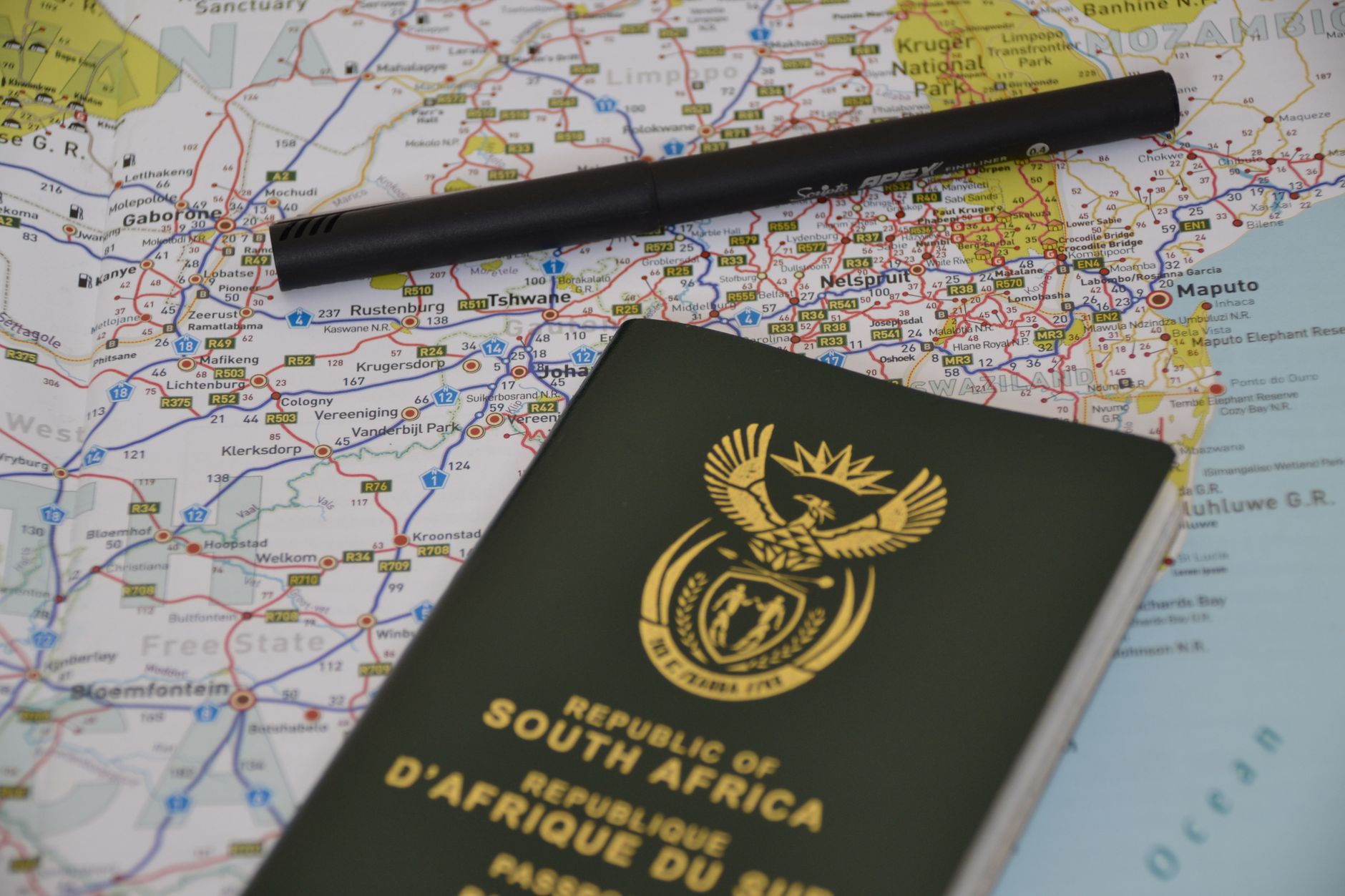
The recent visa bans South Africa has implemented are causing significant disruptions for government officials traveling abroad. Many are now facing challenges in attending crucial international meetings due to these visa bans South Africa.
Photo by Tyler Leigh Vivier on Pexels