



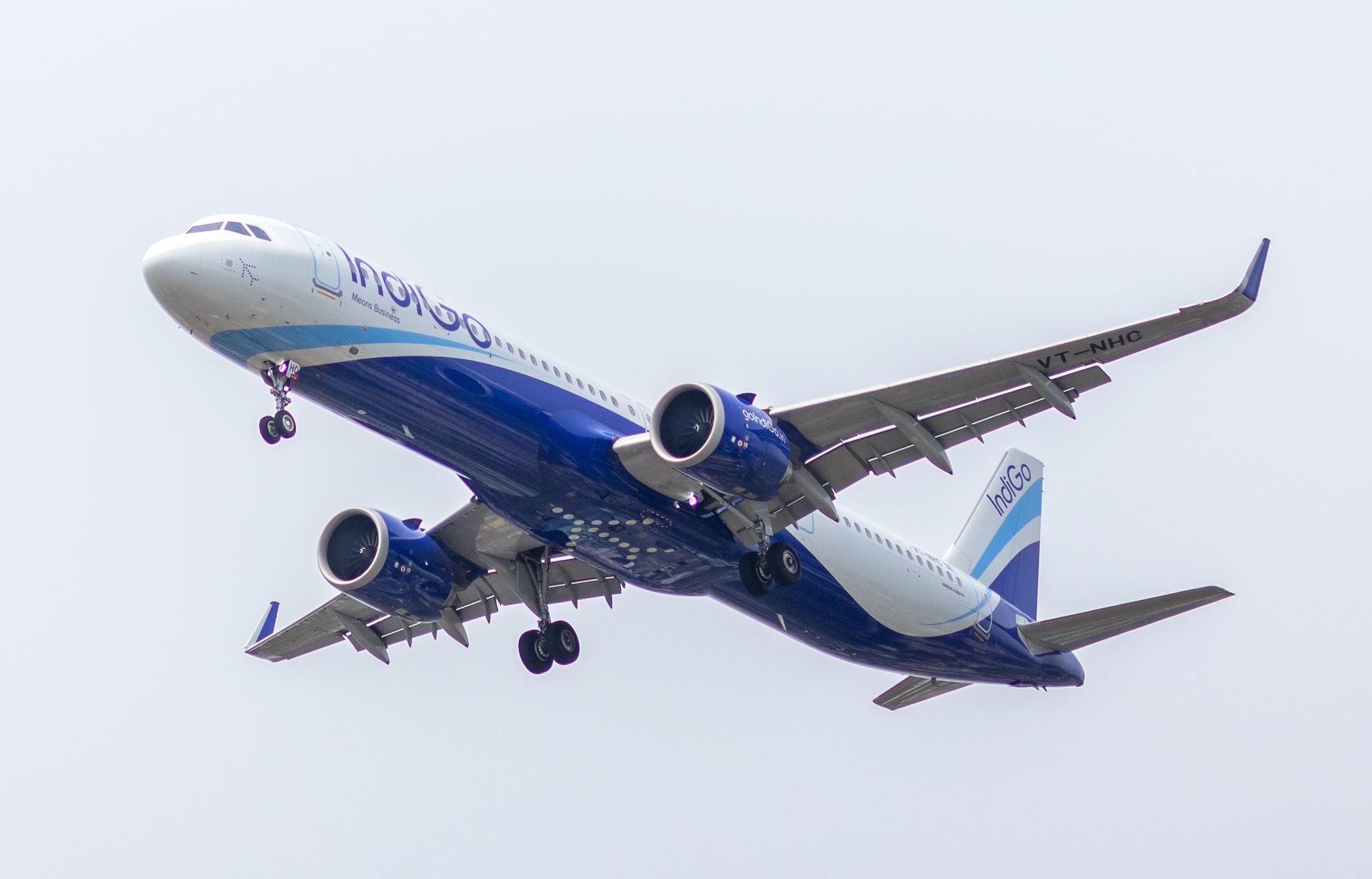
IndiGo flight lightning strike incidents have raised significant safety concerns among travelers. Recently, an IndiGo aircraft was struck by lightning, leading to damage and investigations.
What Happened During the IndiGo Flight Incident?
On a recent IndiGo flight, a significant incident occurred when the aircraft was struck by lightning while cruising at an altitude of 17,000 feet. The flight was en route from Patna to Lucknow when the unexpected event took place, damaging the nose of the aircraft. Passengers were understandably alarmed, but the flight crew managed the situation with professionalism and calm.
The incident prompted an immediate investigation by the Directorate General of Civil Aviation (DGCA) to assess the impact of the lightning strike on the aircraft’s safety and performance. Passengers reported that they felt a jolt during the strike, raising concerns over the aircraft’s integrity and their safety in the skies.
The airline has assured the public that modern aircraft are designed to withstand such occurrences, and incidents involving lightning strikes do happen, though they are rare. Following the event, IndiGo emphasized the importance of safety protocols and the rigorous checks that follow such incidents. As investigations progress, many are left wondering: Is it safe to fly? Factors such as aircraft design, pilot training, and weather conditions play crucial roles in ensuring passenger safety during flights, even in the event of an IndiGo flight lightning strike.
Details of the Lightning Strike
On a recent IndiGo flight, an unexpected incident occurred when the aircraft was struck by lightning at an altitude of 17,000 feet. The flight, which was en route from Patna to Lucknow, experienced significant turbulence just moments after the strike. Passengers reported a loud bang, followed by a brief period of anxiety as the crew assessed the situation.
The lightning strike caused noticeable damage to the aircraft’s nose, raising concerns about the safety of the flight. Fortunately, pilots were well-trained to handle such emergencies, and they quickly initiated procedures to ensure the safety of everyone on board. The flight continued safely to its destination, where it was met by ground crew and safety inspectors.
In light of this incident, the Directorate General of Civil Aviation (DGCA) has launched an investigation to determine the extent of the damage and to assess whether any additional safety measures are necessary. While incidents of lightning strikes are not common, they do occur, and modern aircraft are designed to withstand such events.
Ultimately, the IndiGo flight lightning strike has prompted discussions about aviation safety and the measures in place to protect passengers during unexpected events.
How Common Are Lightning Strikes on Planes?
Lightning strikes on planes are more common than many passengers realize. According to aviation experts, it is estimated that each commercial airliner is struck by lightning about once a year. This frequency, while alarming to some, is generally not a cause for concern.
When an IndiGo flight lightning strike occurs, the aircraft is designed to withstand such events. Modern planes are built with a conductive outer shell that safely channels the electrical energy around the fuselage and out through the tail, minimizing the risk of damage or injury.
Statistics show that commercial aircraft are engineered with safety features specifically to handle lightning strikes. A few key points include:
- Design Standards: Planes undergo rigorous testing to ensure they can tolerate lightning strikes.
- Incident Rates: The likelihood of a critical incident resulting from a lightning strike is extremely low.
- Pilot Training: Pilots are trained to manage situations involving lightning strikes effectively.
In summary, while the idea of lightning hitting an aircraft may seem frightening, it is a common occurrence that does not pose a significant risk to passengers or crew.
DGCA’s Response to the Incident
In response to the recent IndiGo flight lightning strike incident, the Directorate General of Civil Aviation (DGCA) has launched a thorough investigation to assess the circumstances surrounding the event. Officials are examining the aircraft’s structural integrity and the safety measures that were in place during the flight.
The DGCA emphasized the importance of safety in air travel, stating that incidents involving lightning strikes are taken very seriously. A spokesperson for the DGCA remarked, “Our primary concern is the safety of passengers and crew. We are looking into all aspects of this incident to ensure that appropriate measures are implemented.”
In addition to evaluating the specific flight, the DGCA is reviewing existing guidelines related to lightning strikes on aircraft. The regulatory body aims to ensure that all airlines adhere to stringent safety standards to prevent similar occurrences in the future.
Passengers are encouraged to stay informed about aviation safety protocols. The DGCA plans to release a comprehensive report detailing findings from the investigation, which may shed light on the risks associated with an IndiGo flight lightning strike and the safety precautions that are necessary to maintain confidence in air travel.
Safety Measures for Flying in Stormy Weather
Flying during stormy weather can be concerning for passengers, especially after incidents like the IndiGo flight lightning strike. However, aviation authorities and airlines have implemented various safety measures to ensure that air travel remains safe even in adverse conditions.
Firstly, pilots are trained to handle situations involving severe weather. They receive comprehensive training on how to navigate storms and avoid areas of intense lightning activity. Additionally, modern aircraft are designed with safety features that enhance their resilience to lightning strikes.
Aircraft are constructed with conductive materials that allow electrical charges to pass through the plane’s exterior and safely discharge into the atmosphere. This minimizes the risk of damage to critical components. Furthermore, airlines have protocols in place for flight planning, which include real-time weather updates to help pilots reroute flights if necessary.
Passengers can also take comfort in knowing that the likelihood of a lightning strike causing serious harm is exceedingly low. Statistics indicate that commercial airplanes are struck by lightning about once a year, yet they are built to withstand such occurrences.
Ultimately, understanding these safety measures can alleviate some concerns about flying during stormy weather, ensuring that air travel remains a safe mode of transportation.
Passenger Reactions to the Incident
Following the recent IndiGo flight lightning strike, passengers expressed a mix of emotions ranging from fear to relief. Many are questioning the safety of flying, especially in adverse weather conditions. One passenger, who was on board during the incident, described the moment the lightning struck as “terrifying.” They recalled feeling a sudden jolt and seeing a bright flash outside the window. “It felt like we were in a movie,” they said, reflecting on the chaos that ensued.
Others, however, praised the flight crew for their professionalism. Some passengers noted that they felt safe due to the extensive safety measures in place, stating, “I trust that the pilots know what they’re doing, and the plane is built to handle this.”
A survey conducted among frequent flyers revealed that while incidents like the IndiGo flight lightning strike can be alarming, many still feel confident about air travel. The survey indicated that:
- 65% of respondents believe flying is safer than driving.
- 30% expressed concern about flying during storms.
- 5% stated they would avoid flying altogether after such incidents.
Overall, the incident has sparked conversations about aviation safety and the reliability of modern aircraft in extreme weather conditions.
What Should Travelers Know About Flight Safety?
When it comes to flying, understanding the safety measures in place is crucial for travelers, especially after incidents like the IndiGo flight lightning strike. Here are some important points to consider:
- Aircraft Design and Safety: Modern aircraft are engineered to withstand lightning strikes. The outer shell of the plane is built with conductive materials that allow the electrical charge to flow around the cabin, minimizing any impact on passengers.
- Pilot Training: Pilots undergo extensive training to handle various in-flight emergencies, including adverse weather conditions. They are equipped with the knowledge to navigate around stormy areas to avoid potential lightning strikes.
- Monitoring Weather Conditions: Airlines continuously monitor weather patterns and receive updates from air traffic control. This proactive approach helps in rerouting flights when severe weather is detected.
- Incident Reporting: The Directorate General of Civil Aviation (DGCA) investigates incidents like the IndiGo flight lightning strike to ensure compliance with safety standards and to improve future protocols.
- Passenger Awareness: Travelers should stay informed about safety measures and remain calm during unexpected situations, trusting that airlines prioritize passenger safety.
Future Implications for IndiGo and Aviation
The recent incident involving an IndiGo flight lightning strike has raised significant concerns regarding the implications for the airline and the broader aviation industry. As airlines continue to navigate the complexities of weather-related challenges, the need for robust safety protocols becomes increasingly evident.
One potential outcome from this incident may be a reevaluation of existing safety measures for flights operating in storm-prone regions. Airlines might invest in advanced technology to predict and monitor weather patterns more effectively, thereby enhancing passenger safety. Moreover, regulatory bodies like the Directorate General of Civil Aviation (DGCA) may implement stricter guidelines for flight operations during adverse weather conditions.
Additionally, the incident could influence public perception of air travel safety. Airlines may need to engage in proactive communication strategies to reassure passengers regarding the safety of flying, especially in stormy weather. Future training programs for pilots and crew might also be updated to include enhanced protocols for handling emergencies related to lightning strikes.
Ultimately, while the IndiGo flight lightning strike event serves as a stark reminder of the risks associated with aviation, it also presents an opportunity for the industry to evolve and prioritize passenger safety more than ever.
The recent IndiGo flight lightning strike has raised concerns among travelers regarding the safety of air travel during thunderstorms. Experts assure that while an IndiGo flight lightning strike can be alarming, modern aircraft are designed to withstand such incidents without compromising passenger safety.
Photo by Ethan Sarkar on Pexels