

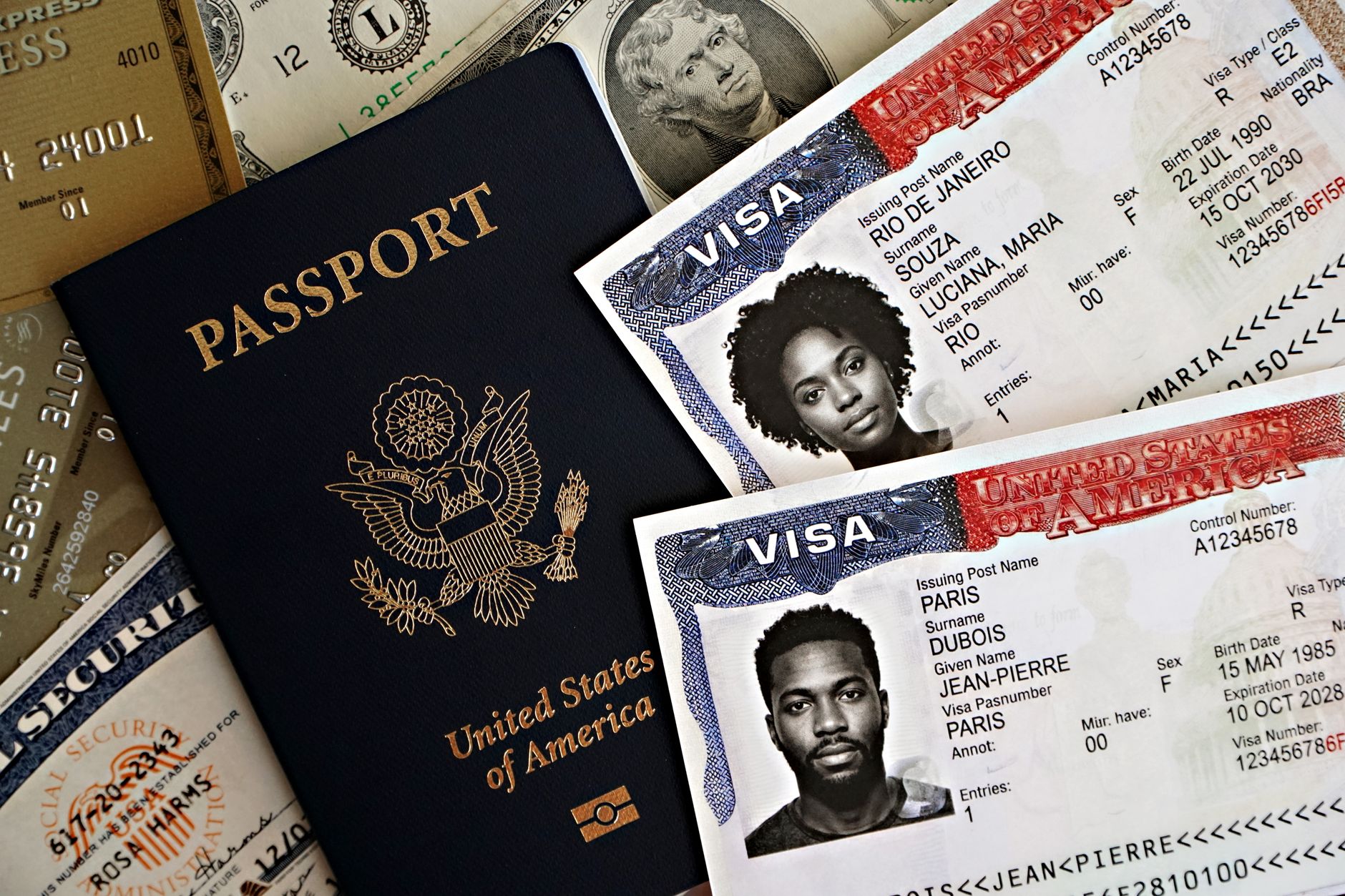
electronic visa verification is becoming increasingly important in today’s global travel landscape. The IATA is advocating for standardized processes to enhance efficiency and security.
What is Electronic Visa Verification?
Electronic visa verification is a modern approach that streamlines the process of validating travel documents for international journeys. This system allows airlines, travel agencies, and border control authorities to efficiently verify the authenticity of visas through digital means. By utilizing secure databases and advanced technology, electronic visa verification minimizes the chances of fraud and human error that can occur with traditional paper-based methods.
The benefits of this system are numerous:
- Speed: Electronic verification significantly reduces the time spent on processing visas compared to manual checks.
- Accuracy: Automated systems decrease the likelihood of mistakes that can lead to delays or denials.
- Security: Enhanced protection against fraudulent documents through centralized and updated data sources.
- Convenience: Travelers can more easily obtain necessary approvals before their journey, ensuring a smoother travel experience.
As the International Air Transport Association (IATA) emphasizes the need for standardized electronic visa verification, the travel industry is moving toward an era where efficiency and reliability are paramount for global mobility.
The Importance of Standardization
In an increasingly globalized world, the importance of standardization in electronic visa verification cannot be overstated. With the rise of international travel and migration, a uniform approach to visa verification becomes essential for both security and efficiency.
Standardized processes ensure that all travelers are subject to the same verification requirements, reducing confusion and streamlining the entry process across borders. This not only enhances the security of nations but also facilitates a smoother travel experience for individuals. When countries adopt a consistent method for electronic visa verification, it minimizes the risk of fraudulent documents and speeds up the approval process.
Moreover, a standardized system allows for better data sharing among countries, enabling quicker responses to emerging threats and improving overall border control measures. As the International Air Transport Association (IATA) emphasizes, fostering collaboration among nations to implement an electronic visa verification framework is crucial for future advancements in global travel safety.
Overall, the move towards a standardized approach will lead to increased efficiency, higher security standards, and a more seamless experience for travelers worldwide.
IATA’s Recommendations
The International Air Transport Association (IATA) has made significant recommendations regarding electronic visa verification, emphasizing the necessity for an industry-wide standard. In a recent announcement, IATA called for a unified approach to electronic visa verification systems to enhance travel efficiency and security.
These recommendations aim to facilitate seamless processing for travelers and airlines alike. Key points from IATA’s guidance include:
- Interoperability: IATA stresses the importance of systems that can communicate effectively across borders, streamlining the verification process.
- Data Security: Ensuring robust security measures to protect sensitive traveler information is paramount in the proposed standards.
- Real-time Updates: IATA suggests that electronic visa verification systems should provide real-time updates to reflect changes in visa status, reducing the risk of travel disruptions.
- Stakeholder Collaboration: The association encourages collaboration between governments, airlines, and technology providers to create an efficient framework for electronic visa verification.
By adopting these recommendations, the travel industry can significantly improve the passenger experience while ensuring compliance with visa regulations.
Benefits of Electronic Visa Verification
Electronic visa verification offers numerous benefits that enhance the travel experience for both passengers and airlines. This innovative system streamlines the verification process, ensuring that travelers meet the necessary visa requirements before they embark on their journey.
Some key advantages of electronic visa verification include:
- Efficiency: Automated checks reduce the time spent on manual processing, allowing for faster boarding and check-in procedures.
- Accuracy: By minimizing human error, electronic systems ensure that the information is correct and up-to-date, thereby reducing instances of passengers being denied boarding due to incorrect documentation.
- Cost-Effectiveness: Airlines can save on operational costs by decreasing the need for extensive manual checks and streamlining their processes.
- Security: Enhanced verification methods help to identify fraudulent documents and protect travelers and airlines from potential security threats.
Moreover, the standardization of electronic visa verification across the industry fosters a more unified approach, benefiting all stakeholders involved in international travel.
Challenges in Implementation
While electronic visa verification offers numerous advantages, several challenges hinder its widespread implementation.
One significant challenge is infrastructure limitations. Many countries still rely on outdated systems that are not compatible with modern electronic verification processes. This can lead to delays and inefficiencies in processing visa applications.
Another issue is data privacy. Countries must ensure that they comply with international data protection regulations while sharing sensitive information. This can create hesitation among governments to adopt electronic visa verification fully.
Additionally, there is a lack of training for personnel involved in the verification process. Staff may not be adequately prepared to handle new technologies, potentially leading to errors and inconsistencies.
Moreover, the variation in regulations across different countries can complicate the implementation of a standardized system. Each nation has its own visa requirements and processing times, making it challenging to establish a cohesive electronic visa verification framework.
Despite these obstacles, addressing these challenges is crucial for maximizing the benefits of electronic visa verification.
Future of Visa Processes
The future of visa processes is poised for a significant transformation as countries begin to adopt electronic visa verification systems. This shift is driven by the need for increased efficiency, security, and accuracy in managing travel documentation. As nations embrace digital solutions, travelers can expect a more streamlined experience, reducing wait times and minimizing the risk of fraud.
One of the key aspects of this evolution is the move towards standardized processes. By implementing universal protocols for electronic visa verification, governments can facilitate smoother border crossings and better communication between countries. This standardization can also help reduce the administrative burdens faced by both travelers and immigration authorities.
Moreover, the integration of advanced technologies such as biometrics and artificial intelligence in visa processes will enhance security measures. These innovations will not only improve the verification of traveler identities but also increase data accuracy, ensuring that only eligible individuals can enter a country.
As the global travel industry adapts to these changes, stakeholders must collaborate to create a cohesive framework that supports the future of visa processes, making them safer and more efficient for everyone involved.
Photo by DΛVΞ GΛRCIΛ on Pexels