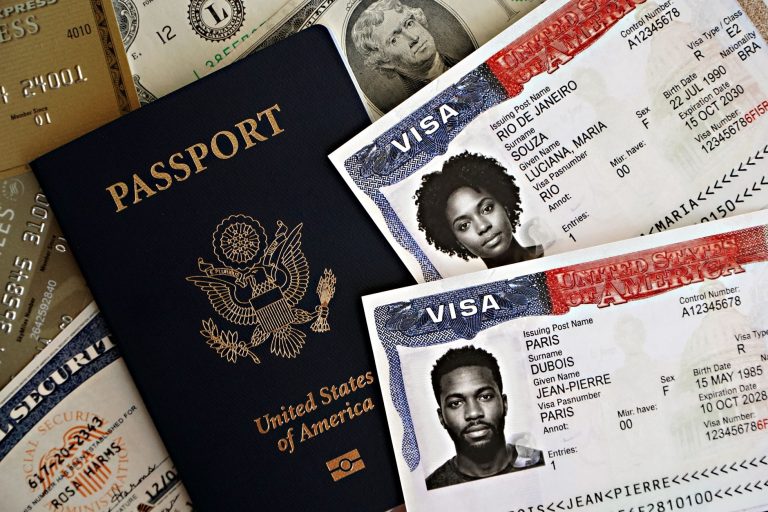





The immigration back door fee is set to potentially increase costs for visa applicants significantly. The Department of Homeland Security may implement a new $70,000 fee, which could limit access for many seeking immigration.
Overview of the Proposed Immigration Back Door Fee
The proposed immigration back door fee has raised significant concerns among visa seekers and advocates alike. This new fee, estimated at around $70,000, aims to deter individuals from attempting to secure visas through what some officials describe as “back door” methods.
Critics argue that implementing such a high fee would disproportionately affect those from lower-income backgrounds, effectively shutting them out of the immigration process. Many believe that this move could exacerbate existing inequalities in the immigration system and limit opportunities for skilled workers who seek to contribute to the economy.
Supporters of the fee contend that it is necessary to cover administrative costs and reduce the backlog of applications. However, the overwhelming sentiment from advocacy groups is that this immigration back door fee represents a significant barrier that could have lasting implications for families and communities.
As discussions continue, many are calling for a reevaluation of the proposed fee structure to ensure that it does not hinder legitimate immigration efforts or compromise the values of fairness and inclusivity.
Impact on Visa Applicants and Immigrants
The proposed immigration back door fee has raised significant concerns among visa applicants and immigrants. With the potential to reach as high as $70,000, this fee could be a considerable barrier for individuals seeking to enter the United States. Many applicants fear that such a hefty cost will deter talented individuals from pursuing opportunities in the U.S., ultimately impacting the nation’s economy and innovation.
As the immigration process becomes increasingly expensive, the burden disproportionately affects those from lower-income backgrounds. Many potential immigrants rely on family sponsorship or employer support to navigate the visa application process, but the addition of the back door fee may make it impossible for some to proceed.
Furthermore, the uncertainty surrounding the implementation of this fee creates anxiety among applicants who are already facing challenges in obtaining their visas. The prospect of incurring such a significant expense adds to the stress of navigating a complex immigration system, leaving many feeling hopeless and discouraged.
In summary, the immigration back door fee exemplifies the growing financial barriers that could reshape the landscape of immigration to the United States.
DHS Justification for the New Fee
The Department of Homeland Security (DHS) has defended the introduction of the new immigration back door fee, arguing that it is necessary to streamline the visa application process. According to DHS officials, the fee will help cover the increasing costs associated with processing applications and maintaining security measures. They assert that without this additional funding, the integrity of the immigration system could be jeopardized.
In a recent statement, DHS highlighted the following points to justify the fee:
- Increased Processing Costs: The agency noted that the rising expenses of processing applications and conducting background checks necessitate additional revenue.
- Resource Allocation: DHS emphasized that the funds collected from the immigration back door fee will be allocated to enhance technological capabilities and improve customer service.
- Security Enhancements: They argued that ensuring national security requires ongoing investment, which the new fee would help support.
While officials maintain that the fee is essential, many critics remain skeptical about its impact on vulnerable visa seekers.
Reactions from Immigration Advocates
Immigration advocates are expressing strong concerns over the proposed immigration back door fee, which they see as yet another hurdle for vulnerable visa seekers. Many believe that this significant financial burden will disproportionately affect low-income applicants, making the American dream increasingly unattainable for those who need it the most.
Maria Gonzalez, an immigration attorney, stated, “This new fee is not just a cost; it’s a barrier that will shut out many deserving individuals from contributing to our society.” Advocates argue that the $70,000 fee will discourage talented individuals from pursuing opportunities in the United States, ultimately harming the economy and stifling innovation.
Additionally, organizations like the American Immigration Lawyers Association (AILA) have voiced their opposition, highlighting the potential for increased exploitation of immigrants who may feel pressured to accept inadequate job offers just to cover these fees. As a result, the immigration back door fee could lead to a decline in the quality of life for many immigrants who contribute to America’s diverse fabric.
Alternatives to the Current Immigration System
As the debate surrounding the immigration back door fee intensifies, many are exploring alternatives to the current immigration system that could alleviate the burdens placed on visa seekers. Advocates argue that these alternatives could provide more equitable pathways for immigrants while reducing financial strain.
- Streamlining Processes: Simplifying the application process could help reduce wait times and costs for visa applicants, making the system more accessible.
- Community Sponsorship: Allowing local communities to support immigrants through sponsorship programs can foster integration and provide resources without imposing high fees.
- Temporary Work Programs: Expanding temporary work visa programs could meet labor demands while offering immigrants a straightforward route to legal employment.
- Fee Waivers: Implementing a system for waiving fees for low-income applicants could ensure that financial barriers do not prevent deserving individuals from obtaining visas.
These alternatives reflect a growing consensus that the immigration system must evolve to better meet the needs of both immigrants and the economy, ultimately challenging the rationale behind the immigration back door fee.
Future of Immigration Policy in the U.S.
The future of immigration policy in the U.S. appears uncertain as the proposed immigration back door fee raises significant concerns among various stakeholders. The Department of Homeland Security (DHS) has justified this substantial fee, asserting it aims to streamline the immigration process. However, many experts argue that it could disproportionately affect low-income applicants who may struggle to afford such a high cost.
As discussions continue, lawmakers are divided on the implications of this new fee. Some believe it could deter skilled workers from coming to the U.S., while others argue it may generate necessary funds for immigration processing. Advocates for immigrants are particularly vocal, expressing fears that the immigration back door fee will create a financial barrier that undermines the fundamental tenets of the American immigration system.
Looking ahead, the fate of this fee may hinge on public sentiment and political pressure. If opposition grows, there may be a push for reforms that prioritize accessibility and fairness in the immigration process, ensuring that the U.S. remains a welcoming destination for all.
Photo by RDNE Stock project on Pexels
Where this came from
Related reading
Panama earthquakes tourism: Worst disruption to travel plans · Flight Diversion Incident: The Worst Smoking Device Scare · Frank Lloyd Wright Planetarium: The Best Travel Experience