


Mumbai airport slot decision has drawn attention from 12 foreign airlines. This situation highlights the complexities of airport management and international aviation relations.
Background on Mumbai airport slots
The recent Mumbai airport slot decision has garnered significant attention from various stakeholders in the aviation industry. This decision revolves around the allocation and management of takeoff and landing slots at one of the busiest airports in India.
Mumbai’s Chhatrapati Shivaji Maharaj International Airport is a crucial hub for both domestic and international flights. The airport’s slot allocation has been a contentious issue, particularly as it affects numerous airlines vying for limited space.
In recent developments, 12 foreign airlines have approached the government to express their concerns regarding this decision. They argue that the current slot management may hinder their operational capabilities and affect connectivity.
As a result, the implications of the Mumbai airport slot decision extend beyond mere logistics; they could influence ticket prices, flight availability, and overall passenger experience.
With increasing air traffic and demand, stakeholders are closely monitoring how the government will address these challenges and the potential impact on international travel routes.
Foreign airlines’ concerns
Foreign airlines have expressed significant concerns over the recent Mumbai airport slot decision, which they believe could disrupt their operations and impact passenger connectivity. These airlines are worried that the allocation of slots may favor domestic carriers, thereby limiting their access to one of India’s busiest airports.
In a joint letter to the Indian government, the airlines highlighted several key issues:
- Operational Disruption: The new slot arrangement could lead to a reduction in flight frequencies, affecting their ability to serve customers efficiently.
- Market Competition: The decision may create an uneven playing field, putting foreign carriers at a disadvantage compared to local airlines.
- Investment Concerns: Uncertainty surrounding slot allocations could deter foreign investment in the Indian aviation sector.
With increasing demand for international flights, the ramifications of the Mumbai airport slot decision extend beyond immediate operational challenges, potentially impacting the broader aviation landscape in the region.
Government’s response to airlines
The recent Mumbai airport slot decision has prompted significant reactions from both domestic and international airlines. In response to growing concerns, the government has stepped in to address the situation. Officials have emphasized that the aim is to ensure fair and efficient allocation of slots, particularly at one of the busiest airports in the country.
During a press briefing, a government spokesperson stated, “We are committed to maintaining transparency and fairness in the allocation process. Our priority is to balance the interests of all stakeholders.” This statement comes after twelve foreign airlines voiced their apprehensions regarding the potential impact of the new slot allocations on their operations.
Airlines have been urged to submit detailed feedback, which the government promises to review comprehensively. Industry experts believe that the government’s response could play a crucial role in mitigating tensions and ensuring that the Mumbai airport slot decision does not adversely affect international connectivity.
In the coming days, further discussions are expected, highlighting the need for cooperative dialogue between the government and airline operators.
Impact on international travel
The recent Mumbai airport slot decision has raised significant concerns regarding international travel. With numerous foreign airlines expressing their apprehensions, the impact on connectivity is becoming increasingly evident. As these airlines navigate the new slot allocations, travelers may face potential disruptions.
One of the primary concerns is the possibility of reduced flight frequency. Many airlines have warned that if their slot requests are not accommodated, they may have to scale back operations, leading to:
- Fewer options for travelers
- Increased fares due to reduced competition
- Longer layover times for connecting flights
Moreover, the Mumbai airport slot decision could affect tourism, with potential declines in visitor numbers from key markets. This could ultimately impact local businesses that rely on international travelers. Industry experts emphasize the need for a balanced approach that considers both airport capacity and the demands of international carriers to ensure a thriving travel ecosystem.
In conclusion, the ramifications of the Mumbai airport slot decision extend far beyond operational logistics, potentially reshaping the landscape of international travel.
Future of Mumbai airport operations
The recent Mumbai airport slot decision has sparked significant discussion regarding the future of airport operations in the region. As foreign airlines express concerns, stakeholders are analyzing the implications for both domestic and international flights. The allocation of slots is crucial for maintaining efficient schedules and ensuring that airlines can meet passenger demand.
Many industry experts believe that if the concerns raised by foreign airlines are not addressed, it could lead to a ripple effect impacting connectivity. Airlines may be forced to reconsider their flight schedules, potentially reducing the number of flights available to international destinations. This change could create challenges for travelers seeking to explore new destinations or connect with family abroad.
Moreover, the decision could influence the competitive landscape among airlines operating in Mumbai. A lack of adequate slot allocation may hinder the growth of new entrants, leaving established carriers to dominate the market. As the situation unfolds, stakeholders will be closely monitoring the government’s response and any adjustments to the slot allocation policy that may arise.
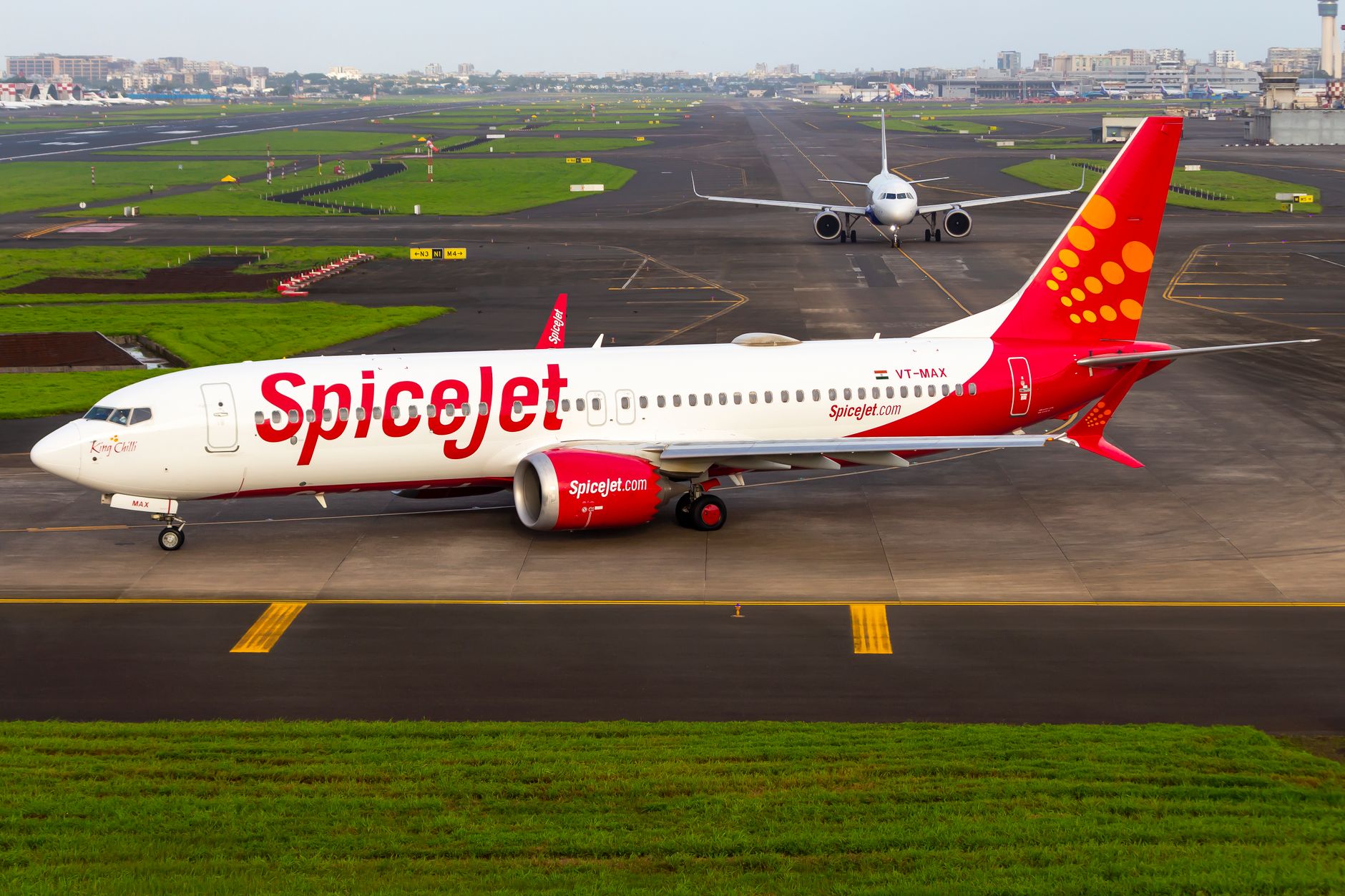
Photo by Janam Parikh on Pexels