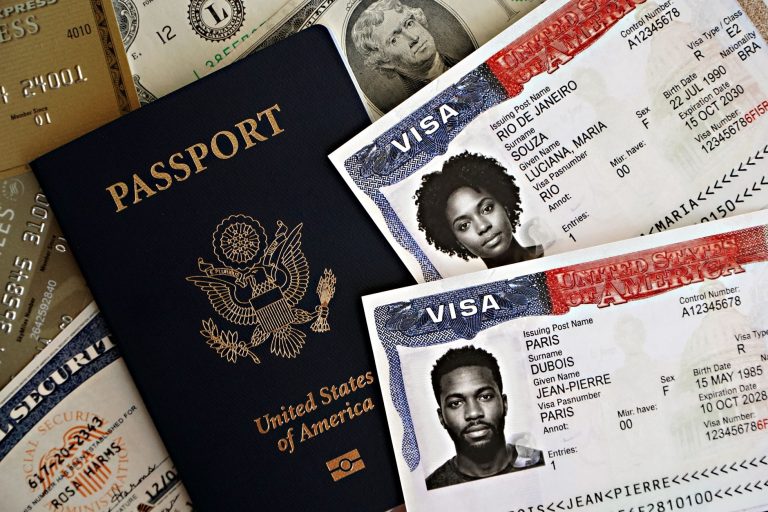





Qatar visa extension policy is officially coming to an end, as the country restores standard visa rules in 2026. This change will impact many travelers and expatriates.
Overview of the visa extension policy changes
The recent announcement regarding the Qatar visa extension policy has raised concerns among travelers. Starting in 2026, Qatar will officially end its free visa extension policy, reinstating the standard rules that were in place prior to the change. This shift is expected to impact a significant number of visitors who relied on the previous flexible measures.
Under the new regulations, travelers will no longer have the option to extend their visas without incurring additional fees. This decision has sparked discussions about the implications for tourism and business in the region. Many are worried that the return to standard rules will discourage potential visitors, as the financial burden of extensions could deter lengthy stays.
As the implementation date approaches, travelers are urged to stay informed about the changes to ensure a smooth visit to Qatar.
Impact on expatriates living in Qatar
The recent changes to the Qatar visa extension policy are set to significantly impact expatriates residing in the country. Many foreign workers and their families have relied on the free visa extension policy for seamless residency. With its termination, expatriates face increased uncertainty.
Several key challenges are emerging for those affected:
- Increased Costs: The financial burden of visa renewals may strain budgets, especially for families.
- Job Security: Employers may hesitate to hire or retain workers if visa renewals become cumbersome.
- Family Separation: The new rules could lead to prolonged separations between expatriates and their loved ones if extensions are not granted.
As these changes take effect, many expatriates are voicing their concerns about the future of their lives in Qatar.
Travelers’ reactions to the new rules
As news of the Qatar visa extension policy changes spreads, travelers have expressed their frustrations and concerns. Many expatriates relying on the previous system now face uncertainty regarding their residency status.
Reactions have varied, with some individuals taking to social media to voice their disappointment:
- Sarah Ahmed: “This change feels like a huge blow, especially for those of us who planned to stay longer.”
- John Lee: “The new rules complicate travel plans and could deter future visitors.”
- Fatima Al-Mansoori: “I feel the decision lacks consideration for those who have made Qatar their home.”
Many worry about the impact of the restored standard rules, emphasizing that the Qatar visa extension policy was crucial for maintaining stability in their lives.
Comparing Qatar’s visa policies with other countries
As Qatar’s visa extension policy changes take effect, it is valuable to compare these regulations with those of other countries. Many nations have adopted more flexible visa policies to attract tourists and expatriates, which contrasts starkly with Qatar’s recent decisions.
- United Arab Emirates: The UAE offers a variety of long-term visa options that allow for easy extensions, promoting tourism and business.
- Singapore: Known for its efficient visa processes, Singapore allows travelers to apply for extensions online, making it convenient for visitors.
- Canada: With a focus on inclusivity, Canada provides multiple avenues for visa extensions, supporting both tourists and workers.
In light of these comparisons, the new Qatar visa extension policy appears restrictive, raising concerns among travelers and expatriates who valued the previous leniencies.
What to expect in 2026 for visa applicants
As 2026 approaches, visa applicants in Qatar should prepare for significant changes that could complicate their travel plans. The new Qatar visa extension policy will eliminate the previously available free extension options, placing travelers back under standard regulations. This shift means that many will need to navigate a more stringent application process and potentially higher fees.
Expect longer processing times and increased scrutiny of applications, which could lead to delays for those seeking to stay longer or re-enter the country. Additionally, the reinstatement of these rules may cause confusion among expatriates and tourists unfamiliar with the updated policies.
Travelers are advised to stay informed and seek guidance to ensure compliance with the new regulations, which will be vital for a smooth journey in and out of Qatar.
Historical context of Qatar’s visa regulations
Historically, Qatar’s visa regulations have evolved significantly, often adapting to the country’s economic needs and demographic changes. For many years, the nation offered a flexible visa extension policy that allowed travelers and expatriates to enjoy longer stays without the burden of additional fees. This approach not only facilitated tourism but also attracted skilled labor to support the burgeoning economy.
However, in recent years, the tightening of these regulations reflects a shift towards stricter immigration control. The introduction of the Qatar visa extension policy changes in 2026 marks a pivotal moment, as the government has officially ended the free visa extension policy. This decision has stirred concerns among expatriates and travelers alike, who now face more stringent requirements when planning their visits or stays in the country.
Advice for travelers planning trips to Qatar
Travelers planning trips to Qatar should prepare for significant changes due to the new Qatar visa extension policy set to take effect in 2026. Here are some essential tips to consider:
- Research Visa Requirements: Ensure you are familiar with the specific visa requirements for your nationality and the duration of your stay.
- Plan Ahead: Given the end of the free visa extension policy, it’s crucial to plan your travel dates carefully to avoid overstaying your visa.
- Consult Official Sources: Regularly check the Qatari government’s official channels for updates on visa regulations to avoid any surprises.
- Consider Alternative Options: Explore other accommodation or travel plans that can accommodate the new rules, especially for longer stays.
Being proactive and informed can help ensure a smooth travel experience in light of these changes.
Future implications for Qatar’s tourism industry
The recent changes to the Qatar visa extension policy are likely to have significant future implications for the country’s tourism industry. As travelers face stricter regulations, the allure of Qatar as a destination may diminish.
Many potential visitors are expressing concerns about the increased difficulty of securing extensions, which could lead to shorter stays and less overall spending in local businesses.
In addition, the new rules may discourage long-term tourists and business travelers who previously enjoyed flexibility. This shift could result in a decline in tourism revenue, affecting hotels, restaurants, and cultural attractions that thrive on visitor spending.
As Qatar prepares for the changes in 2026, stakeholders in the tourism sector must adapt to these challenges and find innovative ways to attract and retain tourists despite the evolving visa landscape.
Photo by DΛVΞ GΛRCIΛ on Pexels