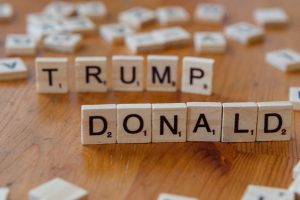


Trump student visa rules have faced a significant setback as a US judge blocks the new regulations, leaving many potential students in uncertainty.
Overview of the ruling
A federal judge has issued a ruling that blocks the implementation of the controversial Trump student visa rules, which sought to extend the duration of certain student visas to four years. This decision comes as a significant relief for many international students who feared the impact of these new regulations on their educational pursuits in the United States.
The judge’s ruling highlights several key concerns regarding the proposed changes, which critics argued would create unnecessary barriers for students seeking to study in the U.S. The ruling emphasized the importance of maintaining access to educational opportunities for international students, a demographic that plays a crucial role in the diversity and economic stability of American universities.
Among the main points raised in the court’s decision were:
- Impact on Enrollment: The judge noted that the new visa rules could significantly decrease international enrollment, affecting universities financially.
- Legal Precedents: The ruling also referenced previous court decisions that favored the rights of students and the importance of fair immigration practices.
- Long-Term Consequences: The court expressed concerns about the long-term ramifications on the educational landscape should the rules be enforced.
This ruling has been hailed by advocates as a necessary step to protect the rights of international students in the U.S.
Impact on international students
The recent ruling by a US judge has significant implications for international students who were facing the brunt of the Trump student visa rules. These new regulations proposed a series of changes that would have altered the landscape for students from around the globe.
Many international students expressed concerns over the uncertainty and challenges they would encounter under these new rules. The changes aimed to extend the duration of student visas to four years, but with stringent conditions that could have made it difficult for students to maintain their status.
Among the most troubling aspects of the proposed changes were the following:
- Increased Financial Burdens: Students would have been required to prove higher levels of financial support, potentially limiting access for those from lower-income backgrounds.
- Restrictive Work Policies: New limits on work opportunities during studies could have hindered students’ ability to gain practical experience.
- Complicated Visa Renewals: The process for renewing student visas would have been more complex, adding to the stress of international students.
As a result, the judge’s decision to block the implementation of these changes has been met with relief from many who feared for their academic futures in the United States.
Details of the new visa rules
A federal judge has intervened to block the implementation of the controversial Trump student visa rules, which aimed to change the duration and conditions of student visas. The new regulations proposed significant adjustments affecting international students seeking education in the United States.
Key details of the new visa rules included:
- Extended Duration: The proposed regulations would have altered student visas from a duration tied to the length of study programs to a fixed four-year term.
- Increased Restrictions: New requirements would have imposed stricter guidelines on the types of courses students could take, potentially limiting options for many.
- Employment Limitations: The rules sought to restrict the ability of international students to work while studying, which many rely on to support their education.
- Higher Fees: The implementation of the new rules included an increase in visa application fees, adding financial burdens to prospective students.
Advocates for international students expressed relief at the ruling, arguing that the Trump student visa rules would have hindered educational opportunities and contributed to a decline in international enrollment.
Legal arguments presented
In a recent court ruling, several legal arguments were presented against the Trump student visa rules, which aimed to impose stricter regulations on international students. Opponents of the new regulations contended that the changes were not only unreasonable but also detrimental to the academic environment in the United States.
One of the primary arguments highlighted was the potential violation of due process rights. Critics claimed that the abrupt and significant alterations to visa requirements left many students in a state of uncertainty, jeopardizing their educational pursuits. Additionally, they emphasized that the changes could disproportionately affect students from countries already facing economic hardships.
Another legal point raised was the lack of adequate consultation with educational institutions. Advocates for international students argued that universities were not sufficiently involved in the decision-making process, which undermined the foundational principles of academic freedom and collaboration.
Furthermore, the ruling underscored concerns about the broader implications for the U.S. economy. Supporters of the injunction suggested that the influx of international students contributes significantly to local economies, and restricting their entry could have far-reaching negative impacts.
Ultimately, the judge’s decision reflects a commitment to safeguarding the rights of international students and ensuring fair policies in higher education.
Future implications for immigration policy
The recent ruling by a federal judge has significant implications for future immigration policy, particularly concerning Trump student visa rules. As the legal battle continues, policymakers and advocates are closely observing how these developments could shape the landscape of international education in the United States.
With the judge’s decision to block the new four-year student visa rules, there is an opportunity for lawmakers to reconsider the balance between national security and the need to foster a welcoming environment for international students. Experts suggest that this ruling may prompt a reassessment of existing policies, leading to more inclusive regulations that support educational exchanges.
Furthermore, the ruling could serve as a catalyst for further legal challenges against restrictive immigration measures. Advocates for international students argue that a more lenient visa framework is essential for maintaining the United States’ status as a premier destination for higher education.
As discussions about immigration reform continue, the implications of this ruling are likely to resonate well beyond the immediate context, influencing both legislative actions and public sentiment regarding international student policies in the years to come.
The recent decision to block the worst new changes to the Trump student visa rules has brought relief to many international students. Advocates argue that these Trump student visa rules were overly restrictive and would have severely impacted educational opportunities in the United States.
Photo by Yaroslav Shuraev on Pexels