

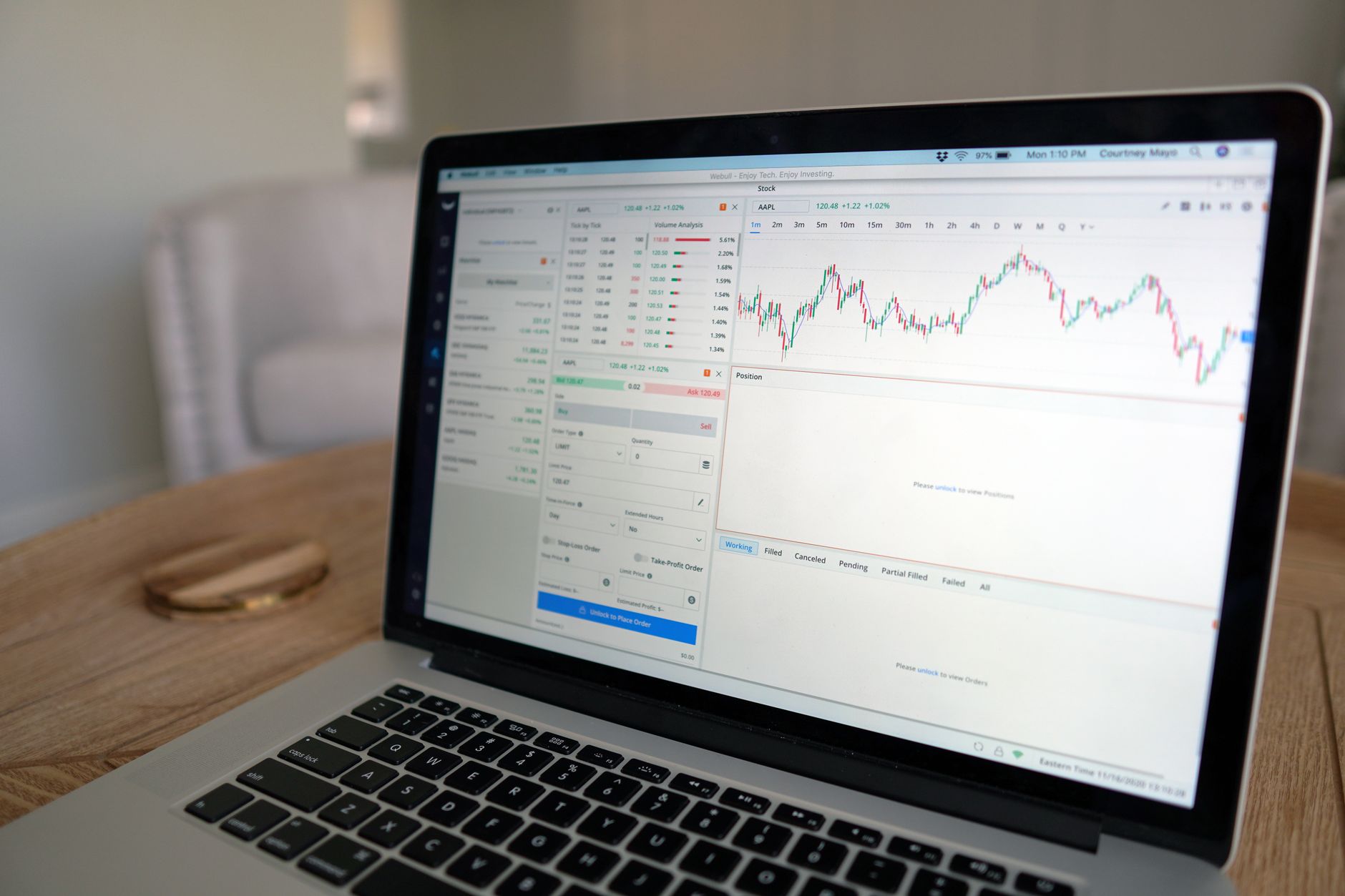
Some platforms come and go. Forex trading mt4 has done neither. Since its introduction to the retail trading world in 2005, MT4 has remained the platform of choice for forex traders across skill levels and geographies. That kind of staying power does not happen by accident. It reflects a platform that genuinely meets the needs of the people using it—from first-time traders navigating their first charts to experienced professionals running automated strategies across multiple instruments.
Contents
- What Is MT4 and Who Is It Designed For?
- What Are the Key Components of the MT4 Interface?
- How Does Automated Trading Work on MT4?
- How Can Traders Use MT4 to Back-Test a Strategy?
- What Are the Most Effective Risk Management Practices on MT4?
- Why Does MT4 Remain Relevant After Two Decades?
- Frequently Asked Questions About MT4
- How long does it take to learn MT4?
- Is MT4 available in multiple languages?
- Can I use MT4 without an internet connection?
- What happens to open trades if MT4 closes unexpectedly?
- Moving Forward With MT4
This guide walks through the core elements of MT4, addressing the questions traders most commonly ask and explaining how the platform supports sound, informed trading.
What Is MT4 and Who Is It Designed For?
MetaTrader 4 is an electronic trading platform built specifically for retail participation in financial markets. Developed by MetaQuotes Software, it provides traders with real-time access to price data, charting tools, order execution, and automated trading capabilities through a single integrated environment.
The platform is designed for individual traders—those operating personal accounts rather than institutional desks. This focus has shaped everything about MT4, from the accessibility of its interface to the breadth of educational resources available to those learning to use it.
Traders who understand forex trading mt4 as more than just a tool—but as a structured environment that rewards consistent habits—tend to develop stronger trading discipline over time.
What Are the Key Components of the MT4 Interface?
Market Watch Panel
The Market Watch panel displays live bid and ask prices for all instruments available through your broker. Traders can right-click any instrument to open a chart, place an order, or view contract specifications. This panel serves as the starting point for most trading sessions.
Chart Windows
Charts are the core workspace of MT4. Each chart displays price history for a selected instrument and timeframe, with the ability to overlay indicators, draw technical patterns, and monitor price movement as it develops. MT4 supports up to nine timeframes, ranging from one minute to one month.
Navigator Panel
The Navigator provides access to accounts, indicators, Expert Advisors, scripts, and custom tools. Traders can drag and drop items from the Navigator directly onto charts, making the workflow efficient and intuitive.
Terminal Window
The Terminal displays active trades, account history, alerts, news, and the built-in economic calendar. It serves as the operational dashboard where traders monitor open positions and review account activity.
How Does Automated Trading Work on MT4?
Automated trading on MT4 is powered by Expert Advisors. These are programs written in MQL4 that define a set of rules for entering, managing, and exiting trades. Once an EA is attached to a chart, it operates continuously according to its logic—opening and closing positions based on the conditions its code specifies.
The practical benefits of automation include:
Consistency: An EA applies its rules without deviation, unlike manual trading, which can be influenced by fatigue or emotion.
Speed: Automated systems react to market conditions faster than manual execution allows.
Scalability: A single trader can run EAs across several currency pairs simultaneously, something that would be unmanageable manually.
Traders who prefer manual trading can still benefit from partial automation through scripts, which execute single actions on demand, and alerts, which notify traders when specific price levels are reached.
How Can Traders Use MT4 to Back-Test a Strategy?
The MT4 Strategy Tester allows traders to run an Expert Advisor against historical price data to evaluate how the strategy would have performed. This process, known as back-testing, is a standard step in strategy development.
To run a back-test, traders select the EA they want to test, choose the instrument and timeframe, and define the historical period to evaluate. The Strategy Tester then simulates trades based on the EA’s logic and produces a detailed report.
Key outputs from the Strategy Tester include:
Total number of trades executed during the test period
The ratio of profitable trades to losing trades
Maximum drawdown—the largest peak-to-trough decline during the test
The overall equity curve showing account growth or decline over time
Back-testing does not guarantee future performance, but it identifies whether a strategy has logical merit before any live capital is committed.
What Are the Most Effective Risk Management Practices on MT4?
Risk management on MT4 centers on three primary order types:
Stop-Loss: Placed at a defined price level, the stop-loss exits a trade automatically if the market moves against the position by a specified amount. Using stop-losses on every trade is a foundational habit for traders who prioritize capital preservation.
Take-Profit: Defined at a target price, the take-profit closes a trade once the market reaches a favorable level, locking in the gain without requiring the trader to monitor the position manually.
Trailing Stop: Unlike a fixed stop-loss, a trailing stop moves dynamically with the market. As a trade moves into profit, the trailing stop follows at a set distance, protecting gains while allowing further upside.
Applying these tools consistently—rather than selectively—builds the kind of risk discipline that sustains trading activity over the long term.
Why Does MT4 Remain Relevant After Two Decades?
The continued relevance of MT4 reflects several structural advantages:
Established Infrastructure: Brokers have built deep integrations with MT4 over nearly 20 years. Switching to a new platform carries costs and risks that most brokers prefer to avoid, which keeps MT4 widely supported.
Community and Resources: A global community of traders, developers, and educators has formed around MT4. This ecosystem produces indicators, EAs, tutorials, and forums that continuously add value for platform users.
Proven Stability: MT4 has operated through multiple periods of extreme market volatility without significant platform failures. That track record is difficult to replicate with newer, less tested alternatives.
Mobile Capability: The MT4 mobile app replicates core desktop functionality, allowing traders to monitor and manage positions from anywhere.
Frequently Asked Questions About MT4
How long does it take to learn MT4?
Basic navigation and trade execution can be learned within days. Developing proficiency with technical analysis tools and automated trading takes considerably longer and improves through consistent practice.
Is MT4 available in multiple languages?
Yes. MT4 supports a wide range of languages, making it accessible to traders across different regions and linguistic backgrounds.
Can I use MT4 without an internet connection?
MT4 requires an internet connection to receive live price data and execute trades. However, previously loaded charts and historical data can be viewed offline.
What happens to open trades if MT4 closes unexpectedly?
Orders already placed with the broker remain active regardless of platform connectivity. Stop-loss and take-profit levels are held on the broker’s server, not the trader’s device.
Moving Forward With MT4
Understanding MT4 thoroughly—its layout, its tools, and its capabilities—is an investment that pays dividends over a trading career. The platform rewards traders who take time to learn it properly, offering increasingly sophisticated functionality as skills develop. Starting with the demo environment, focusing on chart literacy, and building consistent risk management habits creates a framework from which meaningful progress becomes possible. MT4 does not simplify the markets, but it equips traders to engage with them on solid terms.
At a Glance
- MetaTrader 4 (MT4) was introduced in 2005 and has remained the preferred platform for forex traders due to its ability to meet user needs.
- MT4 is designed specifically for retail traders, offering features such as real-time price data, charting tools, order execution, and automated trading capabilities.
- Automated trading on MT4 is facilitated by Expert Advisors, which operate based on predefined rules in the MQL4 programming language.
- The MT4 Strategy Tester allows traders to back-test Expert Advisors against historical data to evaluate strategy performance without risking real capital.
- Effective risk management on MT4 relies on three primary order types: Stop-Loss, Take-Profit, and Trailing Stop, contributing to long-term trading discipline.
- MT4 maintains its relevance through established broker integrations and a supportive global community, providing users with ongoing resources and innovations.