




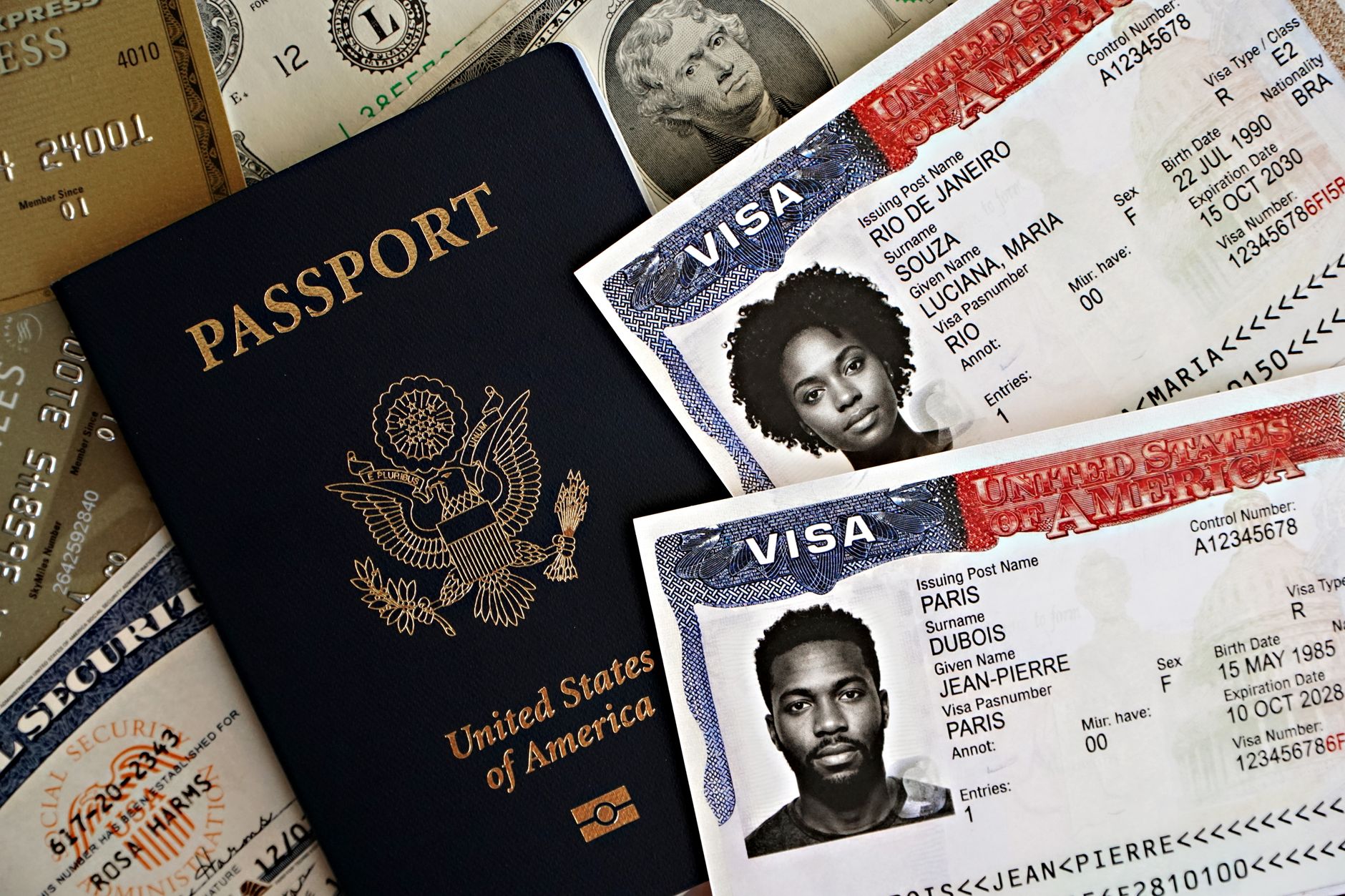
The US worker visa programme is undergoing major changes, barring companies like Microsoft and Adobe from participating. This decision impacts numerous Indian IT firms as well.
Impact on Indian IT Firms
The recent decision to bar several prominent companies, including Microsoft, Adobe, and major Indian IT firms from the US worker visa programme, has sent shockwaves through the technology sector. This policy shift is particularly concerning for Indian IT companies that heavily rely on this programme to hire skilled workers for their projects in the United States.
As a result of this restriction, Indian IT firms face significant operational hurdles. The inability to bring in specialized talent could lead to project delays and hinder their ability to compete effectively in a rapidly evolving market. Key impacts include:
- Reduced talent pool: Companies may struggle to find qualified candidates locally, impacting their ability to meet client demands.
- Increased costs: The necessity to recruit and train local talent may drive up operational costs, affecting profitability.
- Loss of competitive edge: Without access to global talent through the US worker visa programme, these firms may lag behind competitors who can leverage a broader talent base.
Overall, this development could reshape the landscape for Indian IT firms, prompting them to explore alternative strategies to maintain their foothold in the US market.
Microsoft and Adobe Response
In response to the recent decision by the US government to bar several major tech firms, including Microsoft and Adobe, from the US worker visa programme, both companies have expressed their concerns regarding the impact on innovation and talent acquisition.
Microsoft highlighted that the restrictions could hinder its ability to attract skilled professionals from around the globe, potentially slowing down critical projects and technological advancements. The company emphasized its commitment to fostering a diverse workforce and argued that access to international talent is essential for maintaining competitiveness in the rapidly evolving tech landscape.
Similarly, Adobe voiced its disappointment, stating that the changes to the US worker visa programme could lead to a shortage of skilled workers, particularly in areas such as software development and data analytics. Adobe representatives noted that the firm’s success relies heavily on the contributions of talented individuals, many of whom come from outside the United States.
Both companies are urging policymakers to reconsider these restrictions, as they believe that a more open visa programme would benefit not only tech firms but also the broader economy by driving innovation and growth.
Future of US Worker Visas
The future of the US worker visa programme remains uncertain as significant changes could reshape the landscape for tech companies. With large firms like Microsoft and Adobe now barred from participating, the implications for innovation and talent acquisition are profound.
As the demand for skilled labor continues to grow, particularly in technology sectors, the restrictions on worker visas pose challenges for companies that rely heavily on foreign expertise. The changes have prompted firms to reconsider their recruitment strategies. Key concerns include:
- Talent Shortage: The inability to hire skilled workers from abroad may lead to a talent gap in the tech industry.
- Increased Costs: Companies might face higher costs as they try to recruit locally, potentially leading to reduced competitiveness.
- Impact on Innovation: With limited access to diverse talent, innovation may stagnate, affecting the US’s position as a global tech leader.
As policymakers deliberate on the future of the US worker visa programme, tech firms are advocating for a more inclusive approach. They argue that a streamlined visa process is essential for sustaining growth and maintaining the country’s competitive edge in technology.
Understanding Visa Regulations
The US worker visa programme is designed to bring skilled professionals into the country to fill gaps in various industries. However, the regulations surrounding these visas can be complex and often lead to confusion among employers and potential employees alike. Understanding these regulations is crucial for companies relying on foreign talent, particularly in the tech sector.
One key aspect of the US worker visa programme is the H-1B visa, which allows employers to temporarily employ foreign workers in specialty occupations. The application process involves several steps, including:
- Labor Condition Application (LCA): Employers must submit an LCA to ensure that hiring foreign workers will not adversely affect the wages and working conditions of US workers.
- Petition Filing: Once the LCA is approved, employers can file a petition for the H-1B visa on behalf of the worker.
- Visa Application: After the petition is approved, the worker must apply for the visa at a US consulate.
These steps, along with the annual cap on H-1B visas, create a competitive and often challenging environment for tech firms looking to hire skilled workers from abroad. Understanding the intricacies of the US worker visa programme is essential for navigating these challenges.
Photo by DΛVΞ GΛRCIΛ on Pexels