




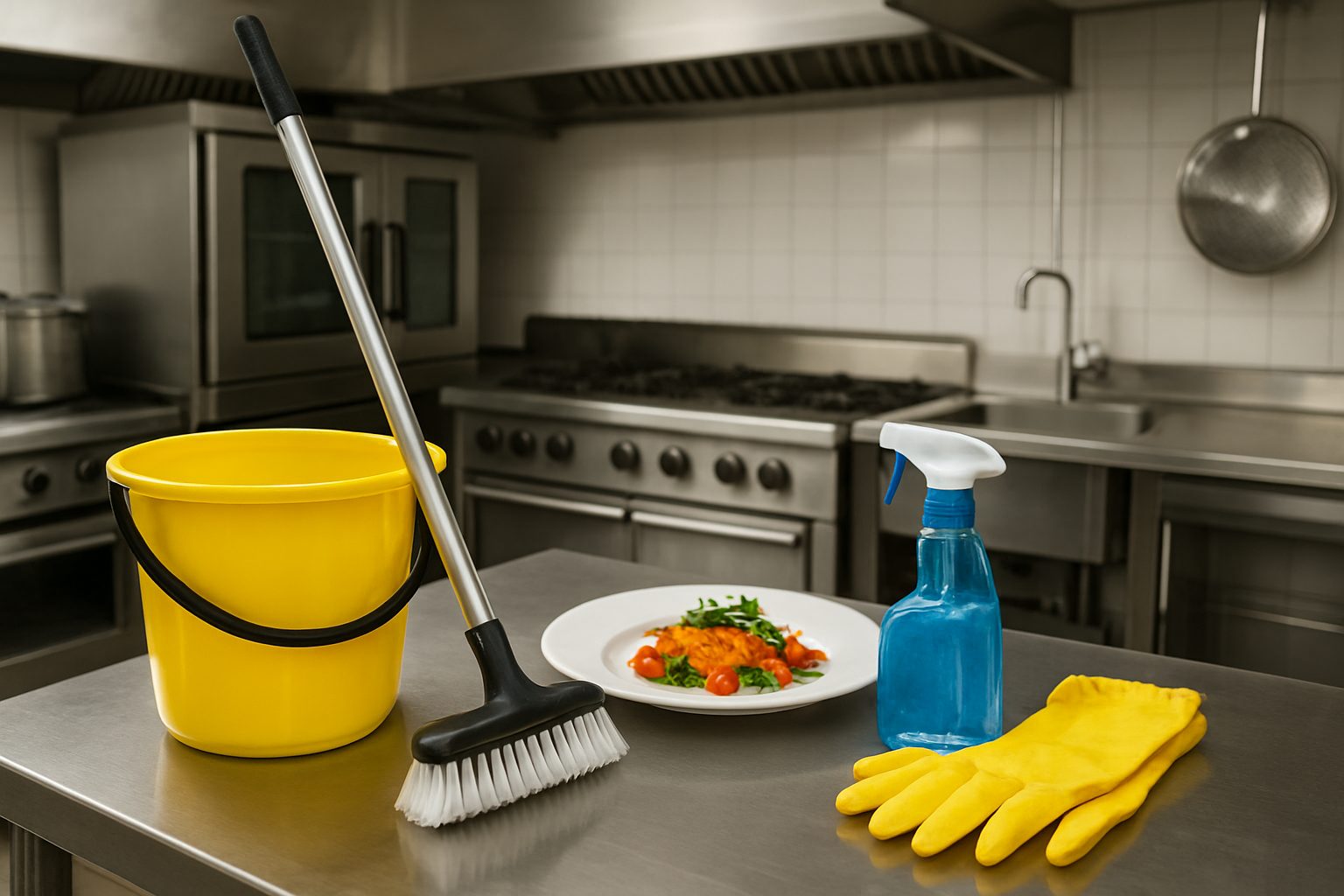
Professional kitchens carry a hidden burden. Grease accumulates behind equipment, bacteria thrive in drains, and food particles settle into crevices that standard daily cleaning never reaches. For businesses operating in Florida’s demanding food service and hospitality industries, kitchen deep cleaning services Florida professionals provide represent far more than routine maintenance—they are a cornerstone of operational integrity, workplace safety, and long-term business success.
Contents
- What Does a Professional Kitchen Deep Clean Actually Cover?
- How Often Should Florida Kitchens Schedule a Deep Clean?
- What Are the Workplace Safety and Compliance Benefits?
- How Do Florida’s Climate Conditions Affect Kitchen Hygiene Needs?
- What Should Businesses Look for in a Kitchen Deep Cleaning Provider?
- Frequently Asked Questions About Kitchen Deep Cleaning in Florida
- What areas of a commercial kitchen does a deep clean typically include?
- How does kitchen deep cleaning support health inspection readiness?
- Is kitchen deep cleaning disruptive to daily business operations?
- Why is professional deep cleaning preferable to in-house deep cleaning efforts?
- How does deep cleaning affect the lifespan of kitchen equipment?
- Maintaining the Standard Florida Kitchens Deserve
Florida’s climate adds a layer of complexity to kitchen hygiene. High humidity and warm temperatures create an environment where bacteria and mold multiply rapidly. A kitchen that looks clean on the surface may harbor significant contamination in areas that receive little attention during everyday cleaning routines. This is why a thorough, professional deep cleaning approach is not optional for serious food service operations—it is a necessity.
The distinction between surface cleaning and true deep cleaning is significant. Daily cleaning protocols handle the visible mess: wiping counters, mopping floors, washing dishes. Deep cleaning goes further, addressing the hidden buildup that accumulates over time in ventilation hoods, behind refrigeration units, inside exhaust systems, beneath cooking equipment, and within grout lines. Left unaddressed, these areas become breeding grounds for harmful pathogens and fire hazards.
What Does a Professional Kitchen Deep Clean Actually Cover?
A professional kitchen deep cleaning service addresses every zone of the kitchen environment systematically. This includes the degreasing of hood systems and exhaust fans, the thorough cleaning of all cooking surfaces and equipment interiors, the sanitization of food preparation areas, and the detailed attention given to floors, walls, drains, and refrigeration units.
Each of these areas requires specialized cleaning solutions, equipment, and expertise. Hood systems, for instance, accumulate grease that can ignite under high heat—making their regular cleaning a direct fire prevention measure. Drains require enzyme-based treatments to break down organic material and prevent the kind of slow-moving blockages that create foul odors and unsanitary conditions.
Professional kitchen deep cleaning teams bring industrial-grade equipment that generates results far beyond what in-house staff can achieve with standard tools. High-pressure steam cleaners, commercial degreasers, and specialized brushes reach surfaces and angles that conventional cleaning cannot address effectively.
How Often Should Florida Kitchens Schedule a Deep Clean?
The frequency of deep cleaning depends on the volume of food production, the type of cuisine being prepared, and the operating hours of the facility. A high-volume restaurant operating across lunch and dinner services will accumulate grease and residue far more rapidly than a small café with limited kitchen output.
Most professional cleaning experts recommend that commercial kitchens operating at full capacity schedule deep cleaning services at least once per month. Facilities with particularly high grease output—such as those specializing in fried foods or heavy cooking methods—may benefit from more frequent scheduling. Seasonal spikes in business, such as Florida’s tourist season, are also a valid reason to increase cleaning frequency during those periods.
Institutions such as schools, hospitals, and corporate cafeterias serving large numbers of people daily should treat deep cleaning as a recurring priority rather than a reactive measure. The consequences of neglecting hygiene in these environments extend beyond regulatory risk—they affect the health and trust of the people being served.
What Are the Workplace Safety and Compliance Benefits?
Regulatory compliance is a significant driver of deep cleaning demand across Florida. Health inspectors assess commercial kitchens against established standards that cover not only what is visible but also what is documented. Businesses that maintain a consistent professional deep cleaning schedule are better positioned to demonstrate compliance and avoid violations that can result in operational disruption.
Beyond inspections, workplace safety is directly influenced by kitchen cleanliness. Grease on floors contributes to slip-and-fall incidents among kitchen staff. Poor ventilation caused by clogged hood systems exposes employees to elevated heat and airborne grease particles. Mold and bacteria in food preparation areas pose direct health risks to both employees and customers.
A professionally maintained kitchen reduces these risks meaningfully. It also creates a working environment where staff take greater pride in their surroundings, which tends to reinforce daily hygiene habits and overall cleanliness standards.
How Do Florida’s Climate Conditions Affect Kitchen Hygiene Needs?
Florida’s geography and climate make kitchen hygiene a more pressing concern than in cooler, drier states. The subtropical heat accelerates the decomposition of organic material, meaning that food residue left in drains or on surfaces breaks down and creates odors far more quickly. High ambient humidity promotes mold growth in areas with poor airflow, including refrigeration seals, walk-in coolers, and areas behind large equipment where air circulation is limited.
Pest pressure is also a real concern in Florida’s warm climate. Cockroaches, fruit flies, and rodents are attracted to food residue and moisture. A kitchen that undergoes regular deep cleaning removes the food sources and hardihood areas these pests depend on, making the facility significantly less hospitable to infestation. This is particularly relevant for Florida’s coastal and urban areas, where pest activity tends to be higher.
What Should Businesses Look for in a Kitchen Deep Cleaning Provider?
Selecting the right kitchen deep cleaning provider requires careful evaluation. Businesses should seek out providers with verifiable experience in commercial kitchen environments, knowledge of Florida’s health and safety regulations, and a clear, documented cleaning process that can be reviewed and referenced.
Transparency matters. A reputable provider will outline exactly which areas are covered in each service, use professional-grade, food-safe cleaning products, and be willing to provide references from similar facilities they have serviced. Providers who offer flexible scheduling—including overnight or early morning appointments to minimize disruption to kitchen operations—demonstrate an understanding of the operational realities that food service businesses face.
Insurance and certifications are also important considerations. A professional cleaning company operating in Florida should carry appropriate liability coverage and, where applicable, hold certifications relevant to kitchen exhaust cleaning or food safety environments.
Frequently Asked Questions About Kitchen Deep Cleaning in Florida
What areas of a commercial kitchen does a deep clean typically include?
A professional kitchen deep clean covers hood systems, exhaust fans, cooking equipment surfaces and interiors, food preparation areas, refrigeration units, drains, grout lines, walls, and floors. The scope is designed to address all areas where grease, bacteria, and residue accumulate beyond the reach of daily cleaning.
How does kitchen deep cleaning support health inspection readiness?
Regular deep cleaning keeps the kitchen in a condition that aligns with health department standards. It removes buildup that inspectors flag as violations, creates a documented history of professional maintenance, and reduces the risk of surprise findings that could result in penalties or temporary closure.
Is kitchen deep cleaning disruptive to daily business operations?
Professional cleaning providers typically schedule services during off-hours, overnight, or early in the morning before kitchen operations begin. This approach minimizes disruption while ensuring that the kitchen is thoroughly cleaned and ready for the next service period.
Why is professional deep cleaning preferable to in-house deep cleaning efforts?
Professional cleaning teams bring specialized equipment, industrial-strength cleaning agents, and trained expertise that in-house staff generally do not have access to. They are able to address areas that standard cleaning tools cannot reach and deliver results that meet commercial hygiene standards.
How does deep cleaning affect the lifespan of kitchen equipment?
Grease and residue buildup places additional strain on equipment, reducing efficiency and accelerating wear. Regular deep cleaning removes this buildup, allowing equipment to operate as intended and reducing the frequency of repairs and early replacements.
Maintaining the Standard Florida Kitchens Deserve
Kitchen cleanliness is not a background concern—it shapes the reputation, safety, and operational efficiency of every food service business. For Florida’s restaurants, hotels, healthcare facilities, and corporate kitchens, investing in professional deep cleaning is a practical decision with measurable returns: fewer compliance issues, safer working conditions, longer equipment life, and a cleaner environment for the people being served.
The standard worth maintaining is not the minimum required by regulation. It is the standard that reflects genuine care for the workplace, the staff who work in it, and the customers who depend on it.
At a Glance
- Professional kitchens in Florida require deep cleaning services to maintain operational integrity and long-term success due to the accumulation of grease, bacteria, and food particles.
- Florida’s high humidity and warm temperatures lead to rapid bacterial and mold growth, necessitating thorough professional deep cleaning beyond standard daily cleaning practices.
- Professional kitchen deep cleaning covers areas such as ventilation hoods, cooking equipment, and drains, which are often neglected in routine cleaning and can become breeding grounds for pathogens.
- Commercial kitchens operating at full capacity should schedule deep cleaning at least once a month, with more frequency recommended for those with high grease output or during busy tourist seasons.
- Regular deep cleaning helps businesses demonstrate regulatory compliance and significantly reduces workplace safety risks associated with kitchen cleanliness, such as slip-and-fall incidents and health hazards from mold and bacteria.
- Florida’s climate exacerbates kitchen hygiene needs by accelerating the decomposition of food residues and promoting pest infestations, highlighting the importance of regular deep cleaning to mitigate these issues.