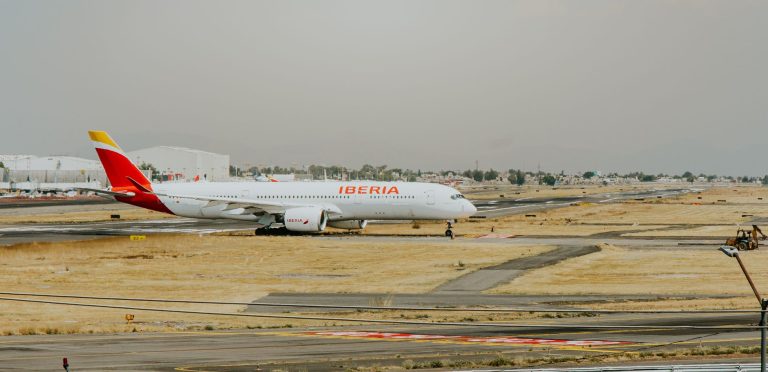





Biman flight emergency landing occurred in Dhaka due to hydraulic malfunction. This incident raises important questions about flight safety and operational protocols.
What Happened During the Biman Flight Emergency Landing?
A Biman flight experienced a significant emergency landing in Dhaka due to a hydraulic malfunction. The incident occurred shortly after takeoff, prompting the crew to initiate immediate safety protocols.
Passengers aboard the flight reported a sudden change in altitude and a noticeable increase in cabin tension as the pilots communicated the situation. The captain assured everyone that the Biman flight emergency landing was being handled with utmost care.
Emergency services were on standby at Hazrat Shahjalal International Airport, ready to assist upon landing. Fortunately, the aircraft landed safely without any injuries reported among the passengers or crew.
Key factors contributing to the successful emergency landing included:
- Effective communication from the flight crew.
- Immediate response from ground staff and emergency services.
- Regular maintenance checks performed on the aircraft.
The incident serves as a reminder of the critical safety measures in place within the aviation industry, ensuring passenger security during unexpected situations.
Safety Protocols Followed in Emergency Situations
In response to the recent Biman flight emergency landing, aviation experts emphasize the importance of established safety protocols. These protocols are designed to ensure the safety of passengers and crew during critical situations.
When a flight experiences an emergency, the following protocols are typically followed:
- Immediate Communication: Pilots notify air traffic control about the emergency, providing essential details about the situation.
- Assessment of the Situation: The flight crew quickly evaluates the extent of the malfunction, such as the reported hydraulic issue in the Biman flight.
- Preparation for Landing: Crew members prepare passengers by informing them of safety procedures, ensuring everyone is ready for a potential emergency landing.
- Coordination with Ground Services: Emergency services are alerted and prepared to respond upon landing, ensuring swift assistance if needed.
These measures are crucial in managing emergencies and ensuring that incidents like the Biman flight emergency landing are handled effectively.
Impact on Passengers and Future Flights
The recent Biman flight emergency landing has raised concerns among passengers about their safety during air travel. Eyewitness accounts describe moments of panic as the aircraft approached Dhaka’s airport. Fortunately, no injuries were reported, but the incident has left travelers shaken.
Passengers reported feeling anxious throughout the flight, especially when alerted about the hydraulic malfunction. Many expressed relief once the plane landed safely but have since been asking questions about the airline’s protocols for handling such emergencies.
In light of this incident, it is likely that future flights will see increased scrutiny regarding safety measures. Biman Airlines may need to reassure passengers by enhancing communication about their safety procedures. Possible changes could include:
- Increased transparency regarding aircraft maintenance
- More frequent safety drills for crew members
- Enhanced training for managing passenger anxiety during emergencies
Ultimately, the Biman flight emergency landing serves as a reminder of the importance of robust safety protocols in aviation.
Expert Opinions on Aviation Safety Standards
Experts in aviation safety have weighed in on the recent Biman flight emergency landing, attributing the incident to a hydraulic malfunction that raised concerns about safety standards. Dr. Emily Johnson, a renowned aviation safety analyst, emphasized the importance of rigorous maintenance checks. “It is crucial for airlines to adhere to the highest safety protocols to prevent such emergencies,” she stated.
Another expert, Captain Mark Thompson, who has over 20 years of flying experience, noted that the crew’s training plays a vital role in handling in-flight emergencies. “The quick response by the flight crew during the Biman flight emergency landing was commendable. Proper training can save lives,” he explained.
Additionally, Sarah Patel, an industry consultant, pointed out the need for improved communication between pilots and ground control during emergencies. “Real-time information sharing can significantly enhance safety outcomes,” she said. Overall, the incident has highlighted the ongoing discussions regarding the need for stringent safety measures across the aviation industry.
Photo by Jubair Bin Iqbal on Pexels
References
You might also like
InterGlobe Aviation Performance: Is It Worth the Investment? · US worker visa programme: Worst impact on tech firms · Vietjet Maldives flight offer: Best proven travel deal