




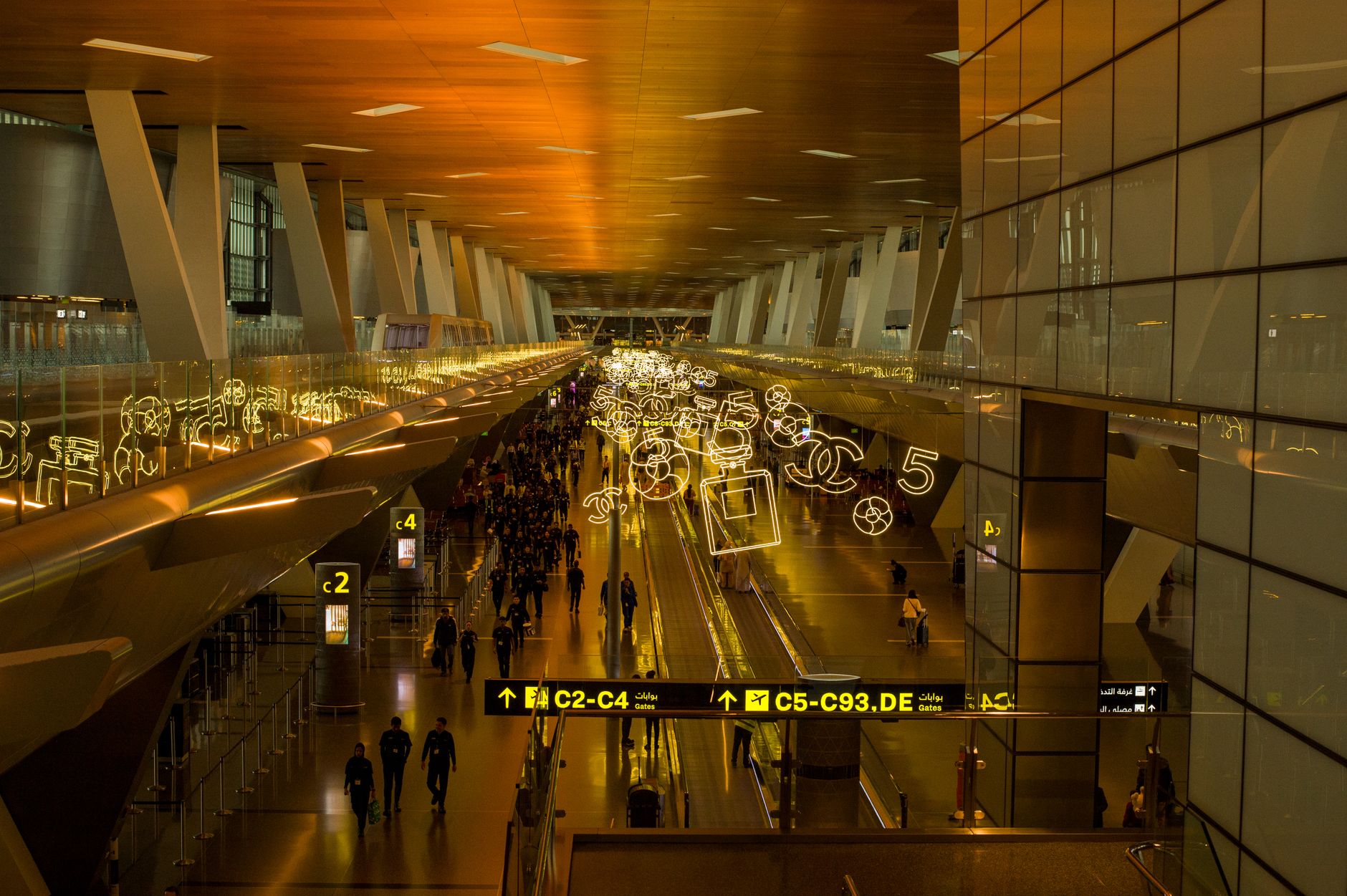
Zayed International Airport transition is a significant event in the travel industry. As the airport evolves, understanding its impact on travelers is essential.
Overview of the Airport Transition
The transition of Zayed International Airport marks a significant milestone in the evolution of air travel in the region. As the airport undergoes extensive upgrades, the focus is on enhancing passenger experience and operational efficiency. This transformation is driven by a commitment to modernize facilities while ensuring that the needs of travelers remain at the forefront.
Key aspects of the Zayed International Airport transition include:
- Infrastructure Improvements: Upgraded terminals and expanded runways aim to accommodate increasing passenger traffic and larger aircraft.
- Technology Integration: Implementing advanced systems for check-in and security processes to streamline operations and reduce wait times.
- Sustainability Initiatives: Efforts to incorporate eco-friendly practices, including energy-efficient lighting and water conservation measures.
- Enhanced Passenger Services: A focus on providing better amenities, such as lounges, shopping, and dining options, to elevate the travel experience.
Throughout this transition, the airport administration emphasizes that people remain at the heart of its development. Engaging with travelers, staff, and stakeholders ensures that the upgrades meet the community’s expectations and support the region’s growth. The Zayed International Airport transition is not just about infrastructure but also about fostering connections and creating a welcoming environment for all.
Impact on Travelers
The transition at Zayed International Airport is expected to significantly impact travelers in various ways. As the airport undergoes modernization and expansion, passengers may experience changes in their travel routines and accessibility.
One of the primary concerns for travelers is the potential for increased congestion during the transition phase. While the airport aims to minimize disruptions, travelers should be prepared for longer wait times at check-in and security. Enhanced communication from airport authorities will be essential to keep passengers informed about any changes to flight schedules or terminal operations.
Additionally, the transition at Zayed International Airport may introduce new amenities and services. Passengers can look forward to upgraded facilities, including improved lounges, dining options, and shopping experiences. These enhancements are designed to provide a more comfortable and efficient travel experience.
Furthermore, travelers should stay updated on the latest developments regarding the transition. Airport officials are urging passengers to check their flight information regularly and arrive earlier than usual to accommodate any unforeseen delays.
Ultimately, while the Zayed International Airport transition may present challenges, it also holds the promise of a more modern and user-friendly travel environment in the near future.
Key Features of the New Airport
The transition to Zayed International Airport introduces several key features designed to enhance the overall travel experience. These features focus on efficiency, sustainability, and passenger comfort, ensuring that the airport meets modern demands.
- State-of-the-Art Technology: The airport is equipped with advanced biometric systems for seamless check-ins and faster security clearances. This technology aims to reduce wait times and streamline the travel process.
- Eco-Friendly Infrastructure: Emphasizing sustainability, Zayed International Airport incorporates green building practices. Solar panels and rainwater harvesting systems are part of the design, reducing the airport’s carbon footprint.
- Enhanced Passenger Amenities: Travelers can enjoy a variety of amenities including lounges, shopping, and dining options that reflect local culture. The design prioritizes passenger comfort with spacious waiting areas and charging stations.
- Improved Connectivity: The transition includes better transport links, such as dedicated express train services and shuttle buses, making it easier for passengers to reach their final destinations.
As Zayed International Airport transitions to these new features, the focus remains on putting people at the heart of the experience, ensuring that every traveler feels valued and accommodated.
Zayed International Airport Transition Strategy
The transition of Zayed International Airport is a complex journey that requires a well-structured strategy to ensure efficiency and effectiveness. A successful transition strategy must prioritize several key elements that cater to both operational needs and passenger experience.
- Stakeholder Engagement: Engaging with all stakeholders, including airlines, ground services, and local authorities, is crucial. Their insights can guide the transition process and help address potential challenges.
- Training Programs: Comprehensive training for staff is essential to equip them with the necessary skills and knowledge about the new systems and procedures in place at Zayed International Airport.
- Technology Integration: Implementing advanced technology solutions can streamline operations. This includes upgrading check-in processes, security systems, and baggage handling to enhance overall efficiency.
- Passenger Communication: Keeping travelers informed about the transition is vital. Clear communication regarding changes, new services, and potential disruptions will help manage expectations.
- Phased Rollout: A phased approach to the transition can minimize disruptions. Gradually implementing changes allows for adjustments based on feedback and operational performance.
By focusing on these elements, the Zayed International Airport transition can be executed smoothly, ultimately benefiting all stakeholders involved.
The Zayed International Airport transition presents a unique opportunity for enhancing connectivity and passenger experience. Stakeholders must carefully evaluate the best approach to ensure a smooth Zayed International Airport transition that meets the needs of travelers and airlines alike.
Photo by Oleksiy Yeshtokyn,🌻🇺🇦🌻 on Pexels